


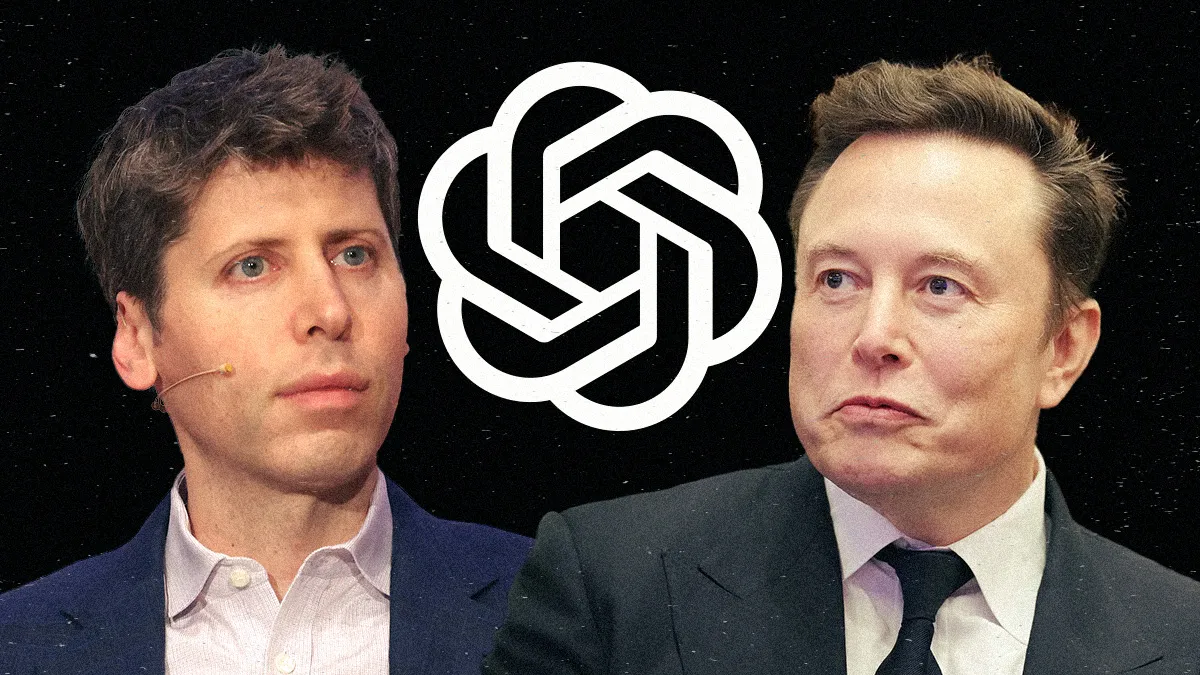
OAKLAND, California (TechGenez)– A California jury has unanimously dismissed Elon Musk’s high-profile lawsuit against OpenAI and its CEO Sam Altman, ruling that the Tesla and SpaceX chief waited too long to bring his claims.
After three weeks of testimony and just two hours of deliberation on Monday, the jury found that Musk’s allegations were time-barred, effectively ending the case in OpenAI’s favor. Musk had accused Altman and OpenAI of breaching the company’s original non-profit mission by transitioning to a for-profit structure after he contributed approximately $38 million in its early days.
Core Allegations
Musk claimed that Altman deceived him by accepting his donations while secretly planning to abandon OpenAI’s founding goal of developing artificial intelligence for the benefit of humanity rather than profit.
He also accused Microsoft, a major OpenAI investor and partner, of aiding and abetting the alleged breach. Those claims against Microsoft were dismissed as a matter of law following the jury’s decision on the main counts.
The trial featured extensive testimony from Musk, Altman, and other tech executives, including Microsoft CEO Satya Nadella, along with internal documents and emails spanning the company’s history.
Key Moments in the Trial
Musk told the jury the case was “very simple,” stating: “It’s not OK to steal a charity. If it’s okay to loot a charity, the entire foundation of charitable giving will be destroyed.”
Altman countered that Musk had not only supported the idea of OpenAI becoming for-profit but had actively sought control of the company. Altman recalled a tense moment when co-founders asked what would happen if Musk gained full control, to which Musk allegedly replied that it might pass to his children.
Musk co-founded OpenAI in 2015 but left in 2018 after disagreements over control. The relationship between the two tech leaders has remained acrimonious ever since.
Reactions to the Verdict
OpenAI described the outcome as a “tremendous victory.” Spokesman Sam Singer said the lawsuit was “nothing but an effort by Mr Musk to slow down a competitor.”
William Savitt, OpenAI’s lead trial lawyer, stated that the jury concluded Musk was not truthful in his testimony about the company’s origins and that the claims “bore no relationship with reality.”
Musk’s lead attorney, Steven Molo, told the judge he intended to preserve his client’s right to appeal. Legal experts believe an appeal is likely but face steep challenges, as appellate courts rarely overturn fact-based jury decisions.
Carl Tobias, a law professor at the University of Richmond, described the verdict as a “very fact-based decision,” noting that juries are effective at resolving complex factual disputes using common sense.
Broader Context
The lawsuit represented the latest chapter in a long-running feud between Musk and Altman that intensified after ChatGPT’s explosive success in late 2022. Musk went on to found xAI, positioning it as a rival to OpenAI.
The case drew significant attention as a rare public legal battle between two of the most prominent figures in artificial intelligence, highlighting tensions over control, mission, and profits in the fast-moving AI industry.
Outlook
While the jury verdict is a major win for OpenAI, allowing the company to focus on its commercial ambitions, Musk’s team is expected to explore appeal options that could extend the legal fight for months or longer.
OpenAI said it would continue pursuing its mission to develop “safe AI for the benefit of all humanity.”
The dismissal removes a significant legal cloud over OpenAI as it navigates rapid growth, regulatory scrutiny, and intense competition in the artificial intelligence sector.
Conclusion
The jury’s swift rejection of Elon Musk’s claims against OpenAI and Sam Altman brings a decisive end to one of the most closely watched tech lawsuits in recent years. The verdict underscores the challenges of revisiting founding agreements years later and reinforces OpenAI’s position as it continues to shape the future of artificial intelligence.