

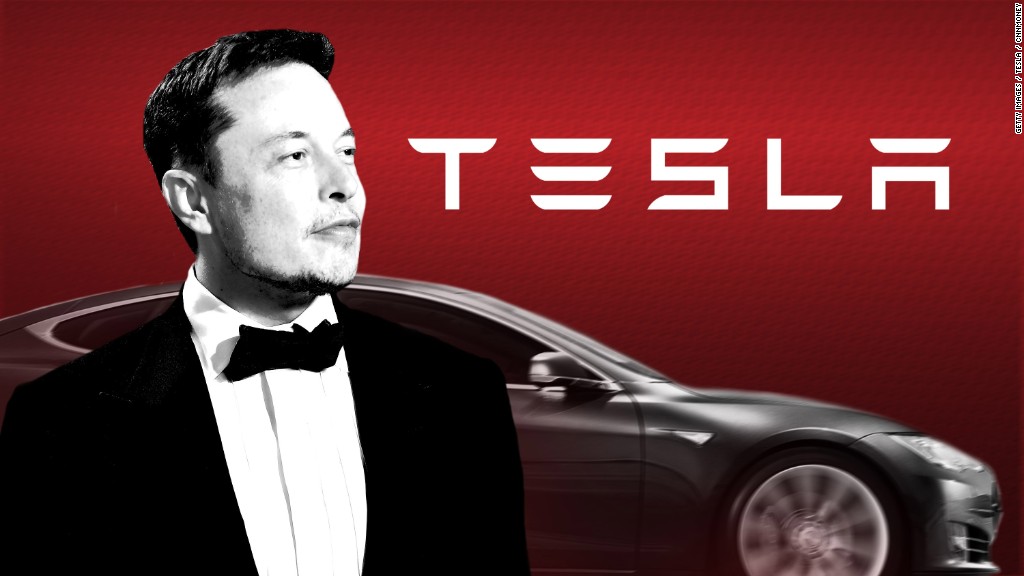
Tesla (TSLA) stock surged 10.2% on Monday, closing at $353.84 as investors cheered the company’s limited robotaxi launch in Austin, Texas. The electric vehicle maker’s stock had been struggling amid declining EV sales, but Elon Musk’s autonomous driving ambitions appear to be reinvigorating Wall Street’s confidence.
The robotaxi service, which launched Sunday with a symbolic $4.20 flat fee, marks Tesla’s boldest step yet into the autonomous ride-hailing market—a sector projected to be worth $2 trillion by 2030 (ARK Invest). While still in its early stages, the successful demonstration has analysts debating whether this could be the catalyst Tesla needs to reverse its 20% year-to-date stock decline.
A First Look at Tesla’s Robotaxi Experience
“The Future Is Here”: Analysts and Influencers React
Early riders, including Wedbush analyst Dan Ives, described the experience as “seamless” and “indistinguishable from human-driven rides.”
“We took two 15-minute rides around Austin, and there wasn’t a single moment where the car felt unsafe or irrational,” Ives reported. “This isn’t just a robotaxi—it’s the spark for Tesla’s AI revolution.”
However, UBS remains skeptical, raising its price target to $215 (from $190) but maintaining a “sell” rating. Analyst Joseph Spak argues that robotaxi optimism is already overbaked into Tesla’s valuation, estimating the ride-hailing opportunity at just $99 per share.
How the Service Works
- Geofenced to Austin (excluding airports)
- Operates 6 a.m. to midnight, weather permitting
- Safety monitor sits in the front seat as backup
- Tele-assistance available for remote human intervention
Videos of the driverless Model Y taxis flooded Musk’s X platform, with influencers praising the smooth rides. But regulatory hurdles remain—Texas’ new robotaxi law won’t take effect until September 1, requiring proof of traffic law compliance and emergency protocols.
Why This Could Be a Turning Point for Tesla
1. A Lifeline Amid Slumping EV Sales
Tesla’s Q1 deliveries dropped 8.5% YoY, its first decline since 2020. With competitors like BYD and Rivian gaining ground, Musk is pivoting toward higher-margin autonomy tech.
2. The $2 Trillion Robotaxi Race
Tesla now faces off against:
- Waymo (Alphabet) – Already operating in Phoenix and San Francisco
- Cruise (GM) – Slowly resuming tests after safety incidents
- Uber – Stock was flat Monday as investors weighed the threat
“Tesla’s data advantage—millions of cars collecting real-world driving data—could be unbeatable,” says Cathie Wood of ARK Invest.
3. Stock Volatility Ahead
Despite Monday’s rally, TSLA remains 34% below its all-time high. Its 21-day Average True Range (ATR) of 5.36% signals extreme volatility—typical for high-stakes tech bets.
What’s Next for Tesla’s Robotaxis?
Short-Term Challenges
🔹 Regulatory approval in more states
🔹 Scaling beyond Austin
🔹 Proving safety to skeptical lawmakers
Long-Term Opportunities
✅ Subscription revenue (Musk hinted at a $99/month robotaxi plan)
✅ Licensing Full Self-Driving (FSD) tech to other automakers
✅ AI-powered “Tesla Network”—a decentralized Uber competitor
Key Takeaways for Investors
✔ Robotaxis could offset Tesla’s EV slowdown—but profitability is years away.
✔ Regulatory and technical risks remain high—watch for Texas’ September rules.
✔ Volatility will continue—TSLA’s 5.36% ATR means wild swings are likely.
Bottom Line: Tesla’s robotaxi isn’t just a new product—it’s a make-or-break bet on AI and autonomy. While Monday’s surge shows optimism, the real test will be scaling safely and profitably. For now, buckle up: Tesla’s stock ride is only getting wilder. 🚀