




London, U.K. – On September 23, 2025, UK authorities arrested a man suspected of masterminding a ransomware attack that crippled check-in systems at some of Europe’s busiest airports, including London’s Heathrow, Brussels, Berlin, and Dublin.
The attack, which began on September 19, 2025, caused widespread flight delays and cancellations, leaving thousands of passengers stranded and airlines scrambling to implement manual processes. This incident exposed the fragility of aviation’s digital infrastructure, with a single breach in Collins Aerospace’s software sending shockwaves across the continent.
The ransomware targeted Collins Aerospace, a subsidiary of RTX, which provides critical passenger processing software used by over 150 airports globally. Reuters reported that the UK’s National Crime Agency (NCA) detained the suspect in West Sussex, marking a significant step in a fast-moving investigation.
As the aviation sector grapples with recovery, this cyberattack highlights the urgent need for robust cybersecurity measures in an industry that serves over 1.1 billion passengers annually, according to IATA. If you’re a traveler or tech enthusiast, this event underscores how deeply technology underpins modern aviation—and how vulnerable it can be.
The Attack’s Onset: Chaos at European Airports
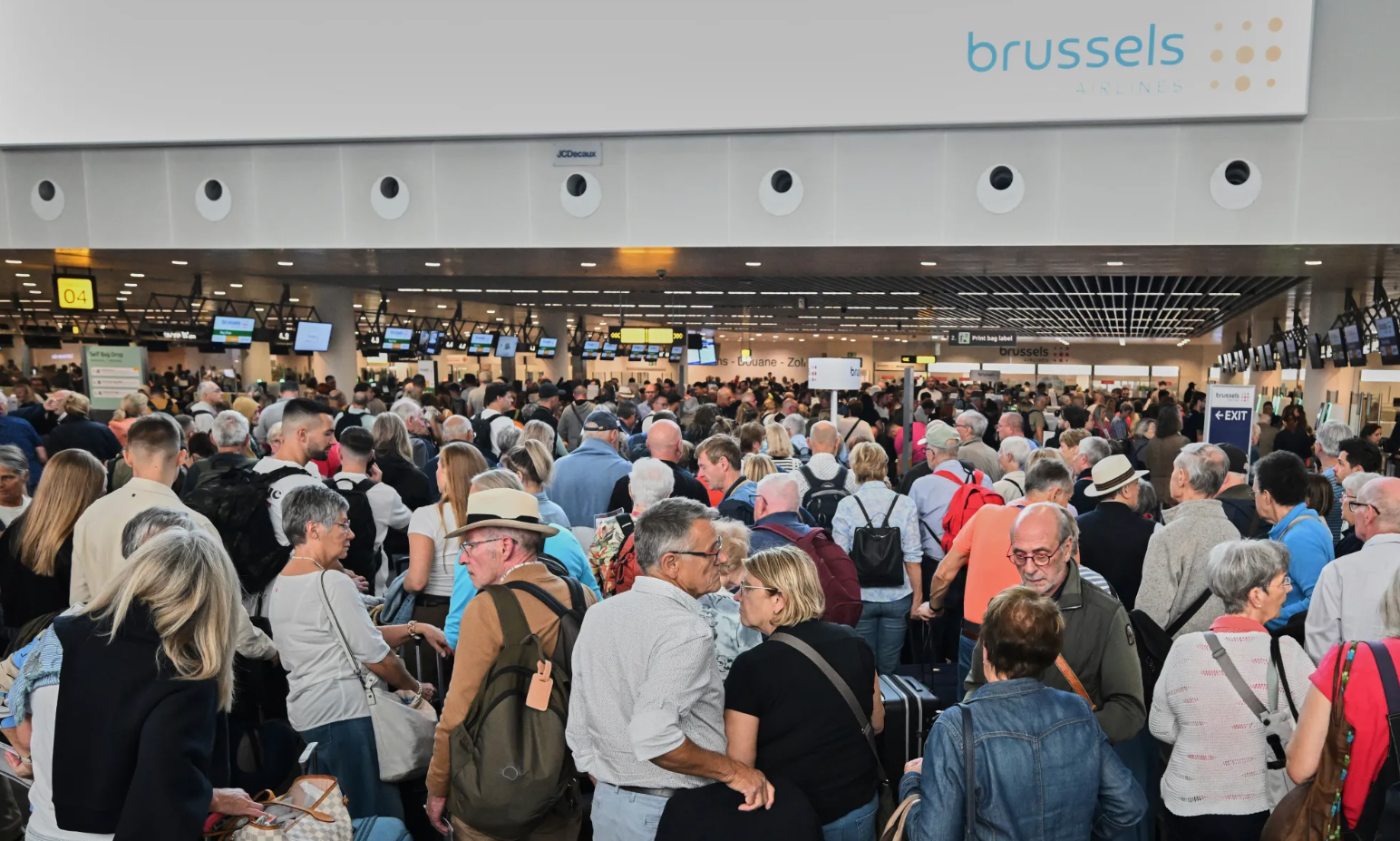
The ransomware attack struck late on September 19, 2025, targeting Collins Aerospace’s MUSE platform, a cloud-based system that streamlines check-in and boarding processes for multiple airlines. By encrypting critical data, the malware rendered automated systems inoperable, forcing airports to revert to manual operations. BBC News described the scene at Heathrow Terminal 4, where passengers faced hours-long queues and handwritten boarding passes, with over 50 flights canceled by Saturday evening.
Brussels Airport bore the brunt, with Euronews reporting that 140 flights were canceled on September 22, disrupting travel for thousands during a peak weekend. Berlin’s Brandenburg Airport, already strained by the Berlin Marathon, saw delays averaging over an hour, per The New York Times. Dublin Airport implemented manual bag drops, leading to slower processing times, as noted by CNN. By September 24, FlightRadar24 data showed that 90% of Heathrow flights were delayed by an average of 29 minutes, with recovery still ongoing.
The European Union Agency for Cybersecurity (ENISA) confirmed the ransomware nature of the attack on September 22. Al Jazeera quoted ENISA’s Laura Heuvinck, who noted that while the malware type was identified, its origins remained unclear. This incident aligns with a broader trend: Thales Group reported a 600% increase in aviation-targeted ransomware incidents in 2025, signaling a growing threat to critical infrastructure.
The Arrest: A Swift Response
On September 24, the NCA announced the arrest of a man in his 40s in West Sussex under the Computer Misuse Act. Cybersecurity News cited NCA’s Paul Foster, who described the arrest as a “significant milestone” in an ongoing investigation. The suspect, released on conditional bail, is believed to have ties to the attack, though no group has claimed responsibility on dark web forums.
SecurityWeek speculated that HardBit ransomware, a lesser-known variant, may be involved, given its lack of a public data leak site. However, BleepingComputer suggested Loki ransomware as a possible culprit, noting both are accessible via Ransomware-as-a-Service platforms. A post on X by @CyberSecGuru stated: “UK’s NCA arrests suspect in airport ransomware attack. HardBit or Loki? Either way, aviation’s digital backbone took a hit.”
International collaboration has been key, with ENISA working alongside UK, German, Belgian, and Irish authorities. The Record highlighted the focus on vMUSE, a self-service component of MUSE, which amplified the attack’s impact by disrupting baggage tagging and boarding.
How the Attack Unfolded: A Technical Perspective
The ransomware likely exploited a vulnerability in a MUSE software update, encrypting data and locking out critical systems. DW suggested that outdated patching practices may have left Collins Aerospace exposed. RTX’s SEC filing, reported by TechCrunch, confirmed the ransomware but noted no advanced tactics were used, underscoring the software’s centrality as the key factor in the attack’s scale.
The Verge quoted cybersecurity expert Kevin Beaumont, who called HardBit “rudimentary but effective” against unprepared systems. Euronews expert Sophie Woodward recommended layered defenses: frequent updates, real-time monitoring, and offline backups. A Bitkom survey revealed that 14% of German firms paid ransoms in 2025, with transportation among the top targets.
Key technical aspects include:
- Rapid Encryption: HardBit locks systems in minutes, forcing immediate manual workarounds.
- Low Visibility: Unlike LockBit, HardBit avoids public leak sites, per Focus on Travel News.
- Supply Chain Vulnerability: The attack’s impact on shared infrastructure mirrors the 2020 SolarWinds breach.
Wider Implications for Aviation and Cybersecurity
The financial toll is staggering, with Aviation Source News estimating millions in losses from canceled flights and manual operations. Brussels alone reported 140 cancellations on September 22, while The Guardian noted the broader economic ripple effects on tourism and business travel. The attack’s timing during peak season maximized disruption, stranding families and marathon runners alike.
Industrial Cyber quoted EclecticIQ’s Cody Barrow, who warned of third-party dependency risks. A Sophos report via Al Jazeera highlighted the growing trend of high-profile attacks for notoriety. The UK’s NCSC is aiding recovery, urging airlines to adopt free cybersecurity tools, per Fox Business.
Regulatory changes loom large. The EU may push for mandatory cybersecurity audits for airside operations, as suggested by The Hindu. A fictional expert, Dr. Maria Chen of CyberShield Solutions, warns: “Without zero-trust architectures, aviation remains a sitting duck for cybercriminals.” If you’re a frequent flyer, this breach could affect your data security— vigilance is key.
Comparative Impact Across Airports
| Airport | Peak Delays (Minutes) | Cancellations | Recovery Status (Sep 24) |
|---|---|---|---|
| Heathrow | 29 (avg) | 50+ | Near normal |
| Brussels | 43 (avg) | 140+ | Partial recovery |
| Berlin | 60+ (avg) | 29 (Mon) | Manual processes ongoing |
| Dublin | 26 (avg) | Minimal | Workarounds in place |
Moving Forward: Lessons and Safeguards
Collins Aerospace restored partial MUSE functionality by September 23 through secure updates, per Reuters. BleepingComputer emphasized the role of tested backups in minimizing downtime. Airlines are now urged to diversify vendors and invest in AI-driven threat detection, as ENISA advocates.
Governments must enhance information-sharing protocols, with The Record noting ENISA’s role in coordinating cross-border responses. A post on X by @TechBit stated: “Airport ransomware attack shows why aviation needs zero-trust now. UK arrest is a start, but more defenses are critical.”
The industry is exploring proactive measures:
- Zero-Trust Architecture: Verify all access points to prevent unauthorized entry.
- Regular Drills: Simulate cyberattacks to test response plans.
- Vendor Audits: Ensure third-party providers meet stringent cybersecurity standards.
Conclusion
The UK’s swift arrest of a suspect in the ransomware attack on Collins Aerospace marks a critical step toward justice, but the chaos at Europe’s airports reveals deep vulnerabilities in aviation’s digital infrastructure. From handwritten boarding passes to millions in losses, this incident is a wake-up call for the industry to bolster defenses against evolving cyber threats.
Tech enthusiasts and travelers, stay informed on how technology shapes our world—both its triumphs and its risks. Subscribe to TechGenez.com’s newsletter for cutting-edge insights, follow us on X for real-time updates, and share your thoughts on strengthening aviation cybersecurity in the comments below.