



Microsoft Lays Off – In its third wave of staff reductions in recent months, Microsoft confirmed on Wednesday that it is laying off approximately 9,000 employees, amounting to less than 4% of its global workforce. This marks one of the company’s largest layoffs since 2023, when it cut 10,000 jobs, and signals continued restructuring efforts amid the evolving tech landscape.
The layoffs come at a time when numerous tech giants, including Meta, Amazon, and Bumble, are also making workforce reductions in response to shifts in business priorities and advancements in artificial intelligence. Microsoft (ticker: MSFT) has been particularly aggressive in integrating AI across its operations, raising questions about how AI adoption is impacting traditional job roles.
“We continue to implement organizational changes necessary to best position the company and teams for success in a dynamic marketplace,” a Microsoft spokesperson stated, emphasizing reductions in management layers and enhanced productivity via new technologies.
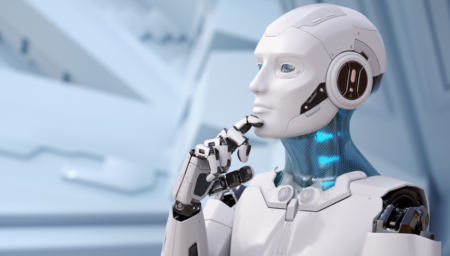
AI and Automation Reshaping Microsoft Workforce
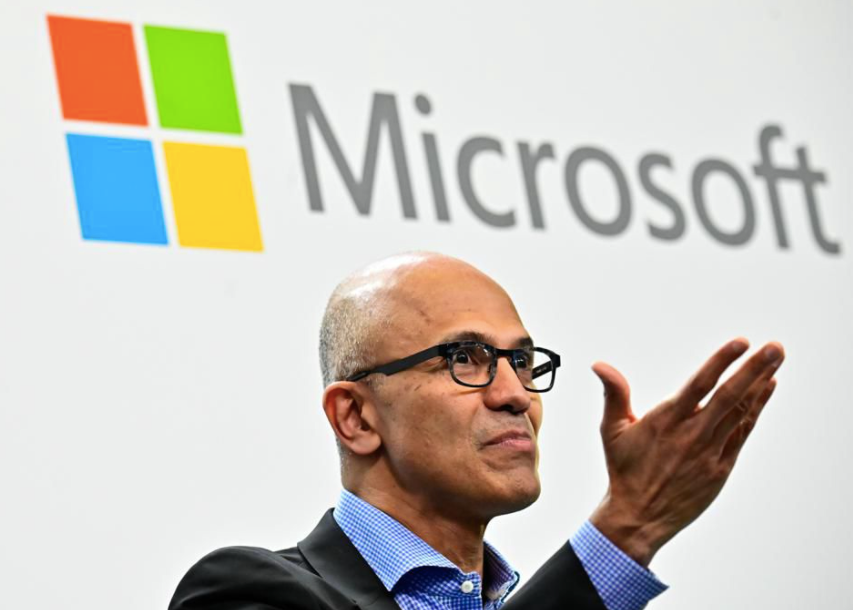
Microsoft CEO Satya Nadella has repeatedly highlighted the growing influence of AI across the company. Earlier this year, he revealed that 20% to 30% of Microsoft’s code is now generated by AI, reflecting a broader trend of automation within the company’s engineering and product development teams.
While Microsoft has not explicitly stated that AI is the cause of the recent layoffs, analysts suggest that the integration of AI-powered tools may be displacing certain roles or enabling Microsoft to operate with leaner teams. The company is investing billions into AI infrastructure, most notably through its partnership with OpenAI and its Azure cloud platform.
Xbox and Gaming Divisions Hit Hard
According to internal communications obtained by The Verge, Microsoft’s Xbox division is among those affected. Xbox head Phil Spencer reportedly informed staff that parts of the gaming organization would see cuts. Bloomberg also previously reported that sales and Xbox teams were the primary targets of the July round of layoffs.
This news comes at a turbulent time for Microsoft’s gaming arm. Two of its most anticipated first-party titles, “Perfect Dark” and “Everwild,” have faced prolonged development issues. Rumors of Perfect Dark being cancelled have circulated following upheaval at its developer studio, The Initiative. Though Microsoft has not confirmed any cancellations, the layoffs cast further uncertainty over the future of these projects.
Financial Outlook Remains Strong
Despite the job cuts, Microsoft remains financially robust. In its most recent earnings report (April 2025), the company announced an 18% increase in quarterly profits, reaching $25.8 billion, fueled by demand for cloud computing and AI services. Microsoft is expected to release its fiscal Q4 earnings later this month.
Notably, Microsoft’s stock (MSFT) remained largely unchanged following the layoff announcement, signaling that investors may view the move as part of a broader efficiency strategy rather than a sign of weakness.
Broader Industry Implications
Microsoft’s decision to streamline its workforce amid an AI-driven transformation reflects a larger shift across the tech sector. Industry leaders are grappling with the balance between innovation and employment, especially as AI tools begin to handle tasks previously managed by human workers.
Amazon CEO Andy Jassy recently echoed this sentiment, warning employees that AI advancements would likely lead to reduced headcounts over time.
For Microsoft, the challenge lies in managing growth while navigating disruption across its core businesses—from enterprise software and cloud computing to gaming and devices.
Conclusion
Microsoft’s latest layoffs underscore the dual-edged nature of technological progress. As the company doubles down on AI and streamlines operations, thousands of employees find themselves on the sidelines. With potential disruptions to flagship gaming titles and ongoing restructuring, all eyes will be on Microsoft’s upcoming earnings and future strategy.
As AI continues to reshape the global workforce, Microsoft’s journey may serve as both a blueprint and a cautionary tale for the broader tech industry.