




Close Menu

    Subscribe to Updates

    Get the latest creative news from FooBar about art, design and business.

    What's Hot
    Anthropic CEO and Department of War Boss Pete Hegseth

    Pentagon Officially Labels Anthropic a Supply Chain Risk Over AI Limits in Military Operations

    Sam Altman Trump

    OpenAI Secures Department of War Deal for Hours After Anthropic Ban

    President Donald Trump Orders Federal Ban on Use of Anthropic AI Technology

    Facebook X (Twitter) Instagram
    Saturday, March 7
    Trending
    • Pentagon Officially Labels Anthropic a Supply Chain Risk Over AI Limits in Military Operations
    • OpenAI Secures Department of War Deal for Hours After Anthropic Ban
    • President Donald Trump Orders Federal Ban on Use of Anthropic AI Technology
    • Anthropic CEO Dario Amodei Rejects Department of War Demand to Drop AI Safeguards
    • Paramount-Skydance Wins Warner Bros. Acquisition Bid Against Netflix
    • Forbes 30 Under 30 CEOs Behind Bars: From Startup Darlings to Convicted Fraudsters
    • NASA Reveals Details of Medical Incident Behind Historic ISS Evacuation
    • Samsung Galaxy S26 Ultra: Everything You Need to Know
    LinkedIn Instagram X (Twitter) YouTube
    TechGenezTechGenez
    • AI
      Anthropic CEO and Department of War Boss Pete Hegseth

      Pentagon Officially Labels Anthropic a Supply Chain Risk Over AI Limits in Military Operations

      March 6, 2026
      Sam Altman Trump

      OpenAI Secures Department of War Deal for Hours After Anthropic Ban

      February 28, 2026

      President Donald Trump Orders Federal Ban on Use of Anthropic AI Technology

      February 28, 2026
      Anthropic CEO and Department of War Boss Pete Hegseth

      Anthropic CEO Dario Amodei Rejects Department of War Demand to Drop AI Safeguards

      February 27, 2026

      IBM Shares Plummet; $35 Billion Wiped Off Market Cap Due to Anthropic’s New AI

      February 24, 2026
    • Business
      1. Startups
      2. View All
      Forbes 30 under 30

      Forbes 30 Under 30 CEOs Behind Bars: From Startup Darlings to Convicted Fraudsters

      February 27, 2026

      StartupsExpo 2025: AI for Good – Driving Purposeful Innovation

      November 4, 2025
      Sam Altman, CEO of OpenAI. Kevin Dietsch/Getty Images

      OpenAI Sets Stage for $1 Trillion Blockbuster Public Stock Offering

      October 30, 2025
      Sam Altman, Sundar and Windsurf CEO

      Google’s $2.4B AI Talent Grab: Windsurf CEO Joins DeepMind After OpenAI Deal Collapses

      July 14, 2025
      Paramount-Skydance Wins Warner Bros. Acquisition Bid Against Netflix

      Paramount-Skydance Wins Warner Bros. Acquisition Bid Against Netflix

      February 27, 2026
      Forbes 30 under 30

      Forbes 30 Under 30 CEOs Behind Bars: From Startup Darlings to Convicted Fraudsters

      February 27, 2026
      Bitcoin Price Volatile

      Bitcoin Plunges Below $70,000, Wiping Out 44% of Peak Value

      February 23, 2026
      Elon Musk’s SpaceX

      SpaceX Lines Up Four Major Wall Street Banks Ahead of Blockbuster IPO

      January 22, 2026
    • Space
      SpaceX Crew 11

      NASA Reveals Details of Medical Incident Behind Historic ISS Evacuation

      February 27, 2026
      Elon Musk’s SpaceX

      SpaceX Lines Up Four Major Wall Street Banks Ahead of Blockbuster IPO

      January 22, 2026
      NASA Astronaut Suni Williams

      NASA Astronaut Suni Williams Retires After 27 Years and Record-Setting Career

      January 22, 2026
      SpaceX Crew 11

      SpaceX Crew-11 Astronauts Return to Earth in Historic Medical Evacuation from ISS

      January 15, 2026
      3I/ATLAS: The Third Interstellar Visitor – Comet or Alien Probe?

      3I/ATLAS: The Third Interstellar Visitor – Comet or Alien Probe?

      October 31, 2025
    • Cyber Security
      CEO of Under Armour is its founder, Kevin Plank,

      Under Armour Investigating Claims of Major Data Breach Affecting Millions of Customers

      January 22, 2026
      cyber security

      10 Proven Ways to Protect Yourself Online

      November 15, 2025

      65 Nations have Signed the United Nations Convention Against Cybercrime in Hanoi

      October 27, 2025

      Discord Confirms User Data Stolen in Third-Party Customer Service Breach

      October 8, 2025
      cyber attack caused delays at Brussels International Airport in Zaventem, Belgium, Saturday, Sept. 20, 2025. (AP Photo/Harry Nakos)

      UK Arrests Man in Ransomware Attack Disrupting Europe’s Busiest Airports

      September 25, 2025
    • Crypto
      Bitcoin Price Volatile

      Bitcoin Plunges Below $70,000, Wiping Out 44% of Peak Value

      February 23, 2026
      Coinbase Data Breach

      Coinbase Data Breach Exposes 69,000 Customers – What You Need to Know

      May 22, 2025
      Trump Establishes U.S. Strategic Bitcoin Reserve: A Bold Step or a Symbolic Gesture?

      Trump Establishes U.S. Strategic Bitcoin Reserve: A Bold Step or a Symbolic Gesture?

      March 7, 2025
      Trump Administration Unveils Bold Crypto Policy Overhaul

      Trump Administration Unveils Bold Crypto Policy Overhaul

      January 24, 2025
      Crypto's Star-Studded Turnaround: Inauguration Ball Celebrates Trump’s New Era of Digital Asset Policy

      Crypto’s Star-Studded Turnaround: Inauguration Ball Celebrates Trump’s New Era of Digital Asset Policy

      January 20, 2025
    • Auto
      The Tesla Diner

      Tesla Diner Opens in Hollywood: A Retro-Futuristic Hub for Dining and EV Charging

      July 22, 2025
      Elon Musk , Tesla CEO (c) CNN Money

      Tesla (TSLA) Stock Skyrockets on Robotaxi Launch in Austin, Texas

      June 23, 2025
      Tesla Cybertruck Trade-Ins

      Tesla Cybertruck Trade-Ins Are Here – And the Numbers Are Brutal

      May 27, 2025
      BYD and Tesla in Europe

      Tesla News: BYD Overtakes Tesla in European EV Sales

      May 22, 2025
      Mobius Motors

      Silver Box Acquires Kenya’s Mobius Motors After Failed Rescue Attempts

      March 14, 2025
    • More
      1. Gaming
      2. Telecom
      3. Social Media
      4. VR/AR
      5. Health
      6. User Data
      7. View All

      Discord Confidentially Files for IPO with Goldman Sachs and JPMorgan Chase

      January 7, 2026

      Discord Confirms User Data Stolen in Third-Party Customer Service Breach

      October 8, 2025
      Electronic Arts (EA)

      Electronic Arts (EA) Agrees to $55 Billion Buyout, Largest LBO in Gaming History

      September 29, 2025
      Fortnite Live Event ‘Super Showdown’

      Fortnite Live Event ‘Super Showdown’ Wows Players with Superman and Kraken Battle

      August 2, 2025
      Elon Musk and Nicolás Maduro

      Starlink Provides Free Internet Access in Venezuela After U.S. Airstrikes and Maduro Arrest

      January 5, 2026
      Elon Musk Starlink

      Starlink Global Outage Resolved: Cause Identified as Software Failure

      July 25, 2025
      Trump and Xi-Jinping Pic:: Getty Images

      US Moves to Ban Chinese Technology in Undersea Telecommunications Cables

      July 16, 2025
      United Wi-Fi by United Airlines

      United Airlines Takes Flight with Starlink: A New Era of In-Flight Internet Services

      January 6, 2025
      Meta Chief Executive Mark Zuckerberg at a congressional hearing. (Andrew Harnik / Associated Press)

      Meta CEO Mark Zuckerberg Testifies in LA Trial Over Youth Mental Health Claims

      February 18, 2026
      French President Emmanuel Macron

      France to Ban Under-15s from Social Media and Phones in High Schools from 2026

      January 2, 2026
      Photographer: Hollie Adams/Bloomberg

      Indonesia Suspends TikTok’s Operating License Over Data-Sharing Dispute

      October 4, 2025
      Whatsapp User Image_ Credit TechGenez

      WhatsApp Can Now Translate Messages on iOS and Android: Breaking Down Language Barriers

      September 25, 2025
      Meta's Mark Zuckerberg Unveils New AI Products: Smart Glasses, Chatbots, and More

      Meta’s Mark Zuckerberg Unveils New AI Products: Smart Glasses, Chatbots, and More

      September 27, 2023
      Ubisoft CEO Yves Guillemot

      Ubisoft Embraces the Potential of AI and VR for the Gaming Industry, says CEO

      June 19, 2023
      Sundai-Pichai-Google-ceo-techgenez

      Google CEO Sundar Pichai is excited about Apple’s Vision Pro Headset

      June 12, 2023
      Mark_Zuckerberg_wearing_Quest_3

      Mark Zuckerberg Criticizes Apple’s Vision Pro Headset

      June 10, 2023
      Open AI ChatGPT

      OpenAI Launches ChatGPT Health: A Dedicated AI Experience for Health and Wellness

      January 7, 2026
      The team watch on as Ricardo Hanel performs the procedure from Florida

      Dundee and US Surgeons Achieve World-First Remote Robotic Stroke Procedure Spanning 4,000 Miles

      November 11, 2025
      CEO of AstraZeneca Pascal Soriot

      AstraZeneca Strikes $555 Million Deal with Algen for Gene-Editing AI Technology

      October 7, 2025
      23andMe CEO Anne Wojcicki -Image Credit: Forbes

      Genetic Testing Pioneer 23andMe Files for Bankruptcy Protection

      March 26, 2025
      cyber security

      10 Proven Ways to Protect Yourself Online

      November 15, 2025

      Discord Confirms User Data Stolen in Third-Party Customer Service Breach

      October 8, 2025
      Congressman Andy Biggs - Getty Images

      US Lawmakers Condemn UK’s ‘Dangerous’ Demand for Access to Apple’s Encrypted Data

      February 16, 2025
      AT&T Customer Image (Mark Makela / Getty Images)

      Personal Information of 73 Million AT&T Customers Has Been Leaked on the Dark Web

      April 3, 2024
      Anthropic CEO and Department of War Boss Pete Hegseth

      Pentagon Officially Labels Anthropic a Supply Chain Risk Over AI Limits in Military Operations

      March 6, 2026
      Sam Altman Trump

      OpenAI Secures Department of War Deal for Hours After Anthropic Ban

      February 28, 2026

      President Donald Trump Orders Federal Ban on Use of Anthropic AI Technology

      February 28, 2026
      Anthropic CEO and Department of War Boss Pete Hegseth

      Anthropic CEO Dario Amodei Rejects Department of War Demand to Drop AI Safeguards

      February 27, 2026
    TechGenezTechGenez

    US Moves to Ban Chinese Technology in Undersea Telecommunications Cables

    July 16, 2025By Anane Ebenezer15,847 Views
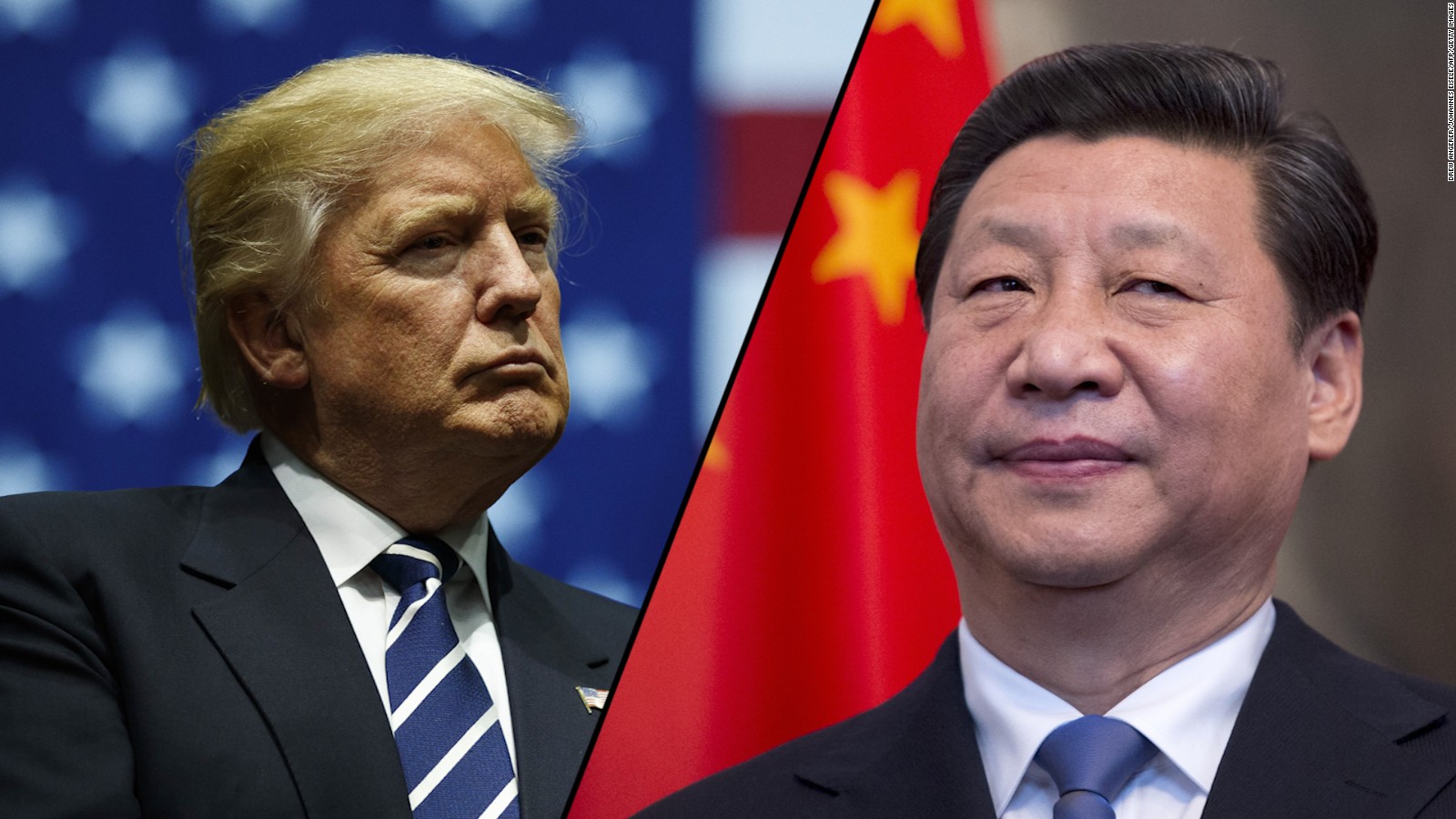
    Trump and Xi-Jinping Pic:: Getty Images
    Trump and Xi-Jinping Pic:: Getty Images
    Share
    Facebook Twitter LinkedIn Copy Link

    WASHINGTON, July 16, 2025 – The United States is taking significant steps to bolster national security by proposing a ban on Chinese technology in undersea telecommunications cables, critical infrastructure that carries over 95% of global internet traffic.

    The Federal Communications Commission (FCC) is reportedly drafting regulations to prohibit the use of Chinese-made equipment or services in these cables, citing concerns over potential espionage and data breaches by foreign entities. This move, part of a broader US strategy to counter Chinese technological influence, has sparked debates about its implications for global connectivity, economic costs, and international relations.

    Background and Strategic Importance

    Undersea telecommunications cables form the backbone of global internet connectivity, transmitting vast amounts of data across continents. These fiber-optic cables, spanning thousands of miles across ocean floors, are essential for international communications, financial transactions, and cloud computing services. The US, a key player in global telecommunications, hosts landing points for numerous cables and relies on their security to protect sensitive data.

    Recent posts on X and news reports indicate that the US government, through the FCC, is preparing to implement a ban on Chinese technology in these cables, driven by fears that equipment from companies like Huawei could be used for espionage or cyberattacks. This initiative aligns with previous US efforts to restrict Chinese tech firms, such as Huawei and ZTE, from domestic 5G networks and other critical infrastructure. The proposed ban reflects growing concerns about China’s influence in global technology supply chains and its potential to exploit vulnerabilities in undersea cables.

    Key Details of the Proposed Ban

    The FCC’s proposed regulations, expected to be finalized in 2025, aim to prohibit the use of Chinese-manufactured equipment, software, or services in undersea cables connected to US networks. This includes both new cable installations and maintenance of existing ones. The ban would apply to companies operating cable landing stations in the US and those seeking FCC licenses for new projects. According to reports, the policy is motivated by national security concerns, particularly the risk of Chinese firms embedding backdoors or surveillance capabilities in cable infrastructure.

    The US government has identified undersea cables as critical infrastructure, given their role in transmitting sensitive government, military, and commercial data. A 2025 Financial Times report highlighted that the Biden administration, continued under the current administration, views Chinese involvement in cable projects as a “significant threat” due to the potential for data interception. The ban would extend to Chinese firms providing maintenance services, such as cable repair ships, which could access sensitive infrastructure during operations.

    National Security Concerns

    The push to ban Chinese technology stems from longstanding US-China tensions over cybersecurity. US officials have repeatedly accused Chinese tech firms of posing risks to national security, citing their alleged ties to the Chinese government. Undersea cables, which are often privately owned but connect to public networks, are seen as vulnerable points where data could be intercepted or manipulated. For example, a compromised cable could allow unauthorized access to diplomatic communications, financial transactions, or personal data.

    Recent incidents, such as alleged Chinese cyberattacks on US infrastructure and reports of cable tampering in other regions, have heightened these concerns. A 2025 Reuters report noted that the US is particularly wary of Chinese firms’ dominance in cable manufacturing and maintenance, as companies like Huawei Marine (now HMN Tech) have been involved in numerous global cable projects. The FCC’s proposed ban aims to mitigate these risks by ensuring that only trusted vendors, primarily from the US or allied nations, supply equipment for cables landing in the US.

    Economic and Global Implications

    The proposed ban could have significant economic and logistical impacts. Undersea cable projects are costly, often exceeding $1 billion per cable, and rely on a global supply chain. Excluding Chinese vendors, who offer competitive pricing, could increase costs for cable operators and potentially delay projects. Posts on X, including one from @TheOptionsPlug, suggest that the ban may affect Chinese tech stocks like Alibaba and Baidu, reflecting market concerns about the broader US-China tech rivalry.

    Globally, the ban could disrupt international collaboration on cable projects. Many undersea cables are consortium efforts involving multiple countries and companies. Excluding Chinese firms could complicate partnerships, particularly in Asia, where Chinese companies have significant influence. For instance, HMN Tech has been involved in projects connecting Asia, Europe, and Africa, and a US ban could force consortiums to seek alternative suppliers, potentially from Japan or Europe.

    The ban also raises questions about reciprocity. China could respond by restricting US or allied companies from participating in its cable projects, further fragmenting the global telecom landscape. This could lead to a bifurcated internet, with separate US-led and China-led networks, impacting global connectivity and data flows.

    Industry and Expert Reactions

    Industry reactions to the proposed ban are mixed. Some US-based telecom companies support the move, arguing that it enhances security and levels the playing field for domestic vendors. Others, however, warn of supply chain disruptions and increased costs. A 2025 report from The Straits Times noted that the ban could strain relationships with international partners who rely on Chinese equipment for cost efficiency.

    Experts are divided on the ban’s effectiveness. Cybersecurity analysts argue that excluding Chinese technology is a necessary step to protect critical infrastructure, given the opaque nature of Chinese firms’ operations. However, others contend that the focus on hardware bans overlooks software vulnerabilities and insider threats, which are harder to regulate. A telecommunications expert quoted in a USA Today article suggested that the ban might be “more symbolic than practical,” as rerouting supply chains could take years and may not fully eliminate risks.

    Potential Challenges and Controversies

    The proposed ban has sparked debates about its feasibility and broader implications. Critics argue that it could exacerbate US-China tensions, potentially leading to retaliatory measures. For example, China could impose restrictions on US tech firms operating in its market or limit access to rare earth minerals critical for cable manufacturing. Posts on X, such as one from @ShipNews, highlight the ban’s focus on cybersecurity but also note concerns about its impact on global trade.

    Another challenge is enforcement. Undersea cables span international waters, and regulating foreign segments is complex. The FCC’s jurisdiction is limited to US landing points, meaning that cables connecting to other countries could still use Chinese technology outside US waters. This raises questions about the ban’s effectiveness in securing end-to-end data flows.

    Environmental considerations also come into play. Cable manufacturing and laying have environmental impacts, and shifting suppliers could disrupt sustainable practices established by some Chinese firms. Critics argue that the US should prioritize international cooperation on cable security standards rather than unilateral bans.

    Future Outlook

    The FCC’s proposed ban is part of a broader US strategy to secure critical infrastructure and reduce reliance on Chinese technology. If implemented, it could set a precedent for other countries, particularly US allies, to adopt similar restrictions. The European Union and Japan, for instance, have expressed interest in strengthening their own cable security protocols, according to a 2025 Reuters report.

    Looking ahead, the ban could accelerate innovation in US and allied telecom industries, as companies invest in alternative technologies to fill the gap left by Chinese vendors. However, it may also drive up costs for consumers, as telecom operators pass on expenses from pricier equipment. The success of the ban will depend on the FCC’s ability to enforce it effectively and collaborate with international partners to ensure consistent security standards.

    The US-China tech rivalry is unlikely to abate, and undersea cables are just one battleground. As global demand for data grows, securing these critical arteries will remain a priority. The FCC’s regulations, expected to roll out in late 2025, will be closely watched by industry stakeholders, policymakers, and international partners.

    Broader Context: US-China Tech Rivalry

    The proposed ban aligns with other US efforts to curb Chinese technological influence. Since 2019, the US has restricted Huawei and other Chinese firms from its 5G networks, citing similar security concerns. The 2025 ban on undersea cable technology builds on these efforts, reflecting a broader strategy to decouple US infrastructure from Chinese supply chains. Posts on X, including those from @STForeignDesk and @tenet_research, indicate that this move is seen as part of a larger push to counter China’s growing technological dominance.

    The timing of the ban coincides with other geopolitical developments. For instance, the US is also investing heavily in AI and energy infrastructure, as seen in recent announcements about Pennsylvania’s $90 billion investment package. These efforts suggest a concerted push to strengthen domestic technological capabilities while limiting foreign vulnerabilities.

    Conclusion

    The US’s move to ban Chinese technology in undersea telecommunications cables marks a significant escalation in its efforts to secure critical infrastructure. While driven by legitimate national security concerns, the ban poses challenges in terms of cost, international cooperation, and enforcement. As the FCC finalizes its regulations, the world will be watching to see how this policy reshapes global connectivity and the US-China tech rivalry. Balancing security with economic and diplomatic considerations will be key to ensuring the ban achieves its intended goals without unintended consequences.


    Citations

    • The Straits Times
    • USA Today
    • Reuters
    • Fox Business
    • QZ
    • CNBC

    Related Posts

    Anthropic CEO and Department of War Boss Pete Hegseth
    Artificial Intelligence (AI) March 6, 2026

    Pentagon Officially Labels Anthropic a Supply Chain Risk Over AI Limits in Military Operations

    Sam Altman Trump
    Tech of the Day February 28, 2026

    OpenAI Secures Department of War Deal for Hours After Anthropic Ban

    Artificial Intelligence (AI) February 28, 2026

    President Donald Trump Orders Federal Ban on Use of Anthropic AI Technology

    Add A Comment
    Leave A Reply Cancel Reply

    Get in Touch
    • Contact Us
    • Advertise Here
    Listen to our Podcast
    TechGenez
    Facebook X (Twitter) Instagram YouTube LinkedIn
    • Advertising with TechGenez
    • Contact Us
    • About Us
    © 2026 All Rights Reserved || TechGenez Inc

    Type above and press Enter to search. Press Esc to cancel.

    Kindly Disable your AdBlocker!
    Kindly Disable your AdBlocker!
    Our website is made possible by displaying online advertisements to our visitors. Please support us by disabling your Ad Blocker.