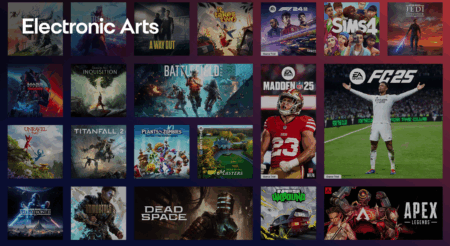



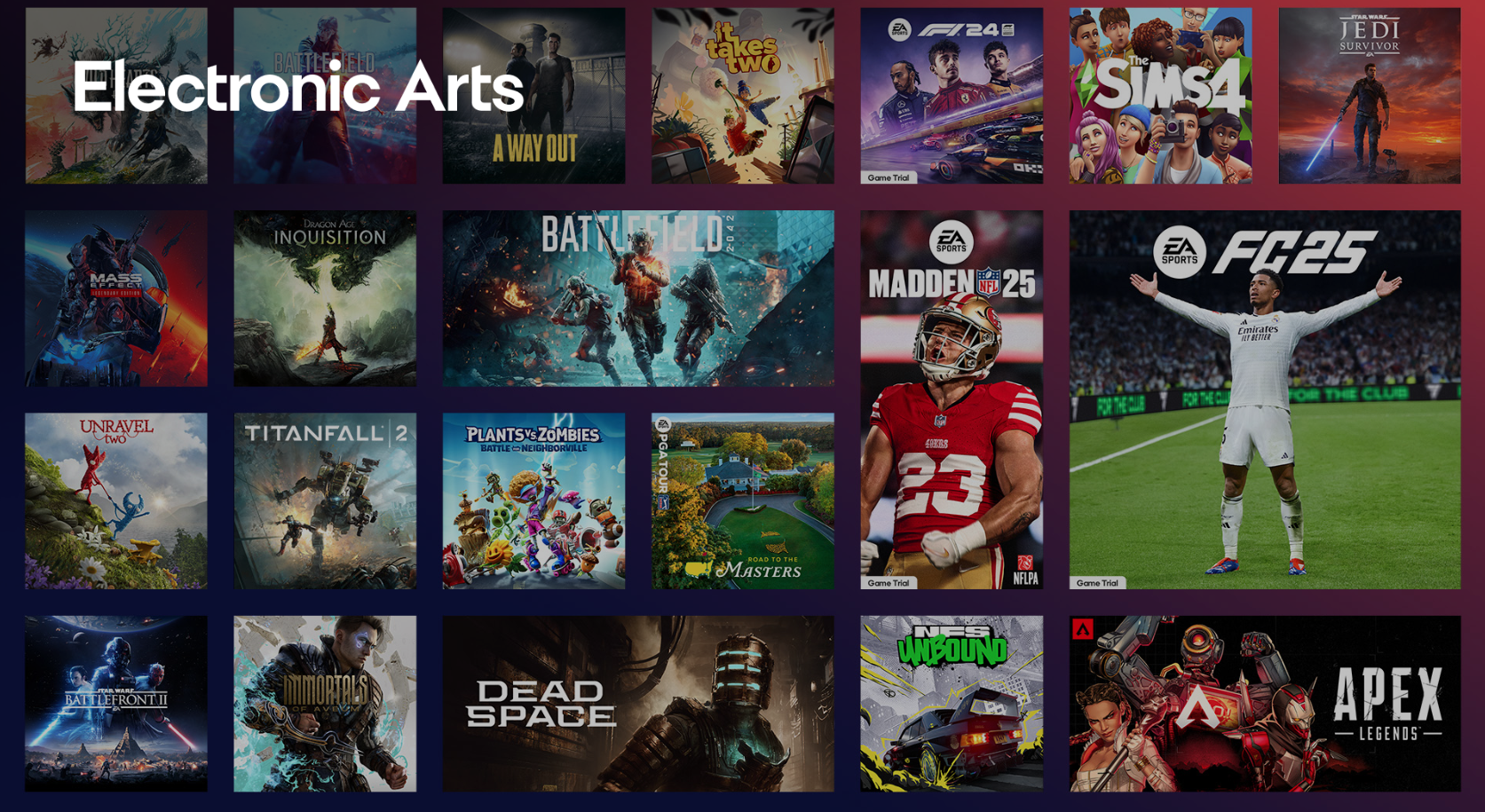
In a seismic shift for the video game industry, Electronic Arts (EA)—the studio behind blockbuster franchises like EA SPORTS FC, Battlefield, Apex Legends, The Sims, Madden NFL, Need for Speed, and EA SPORTS F1 —has agreed to go private in a staggering $55 billion leveraged buyout (LBO), marking the largest such deal in history.
Announced on September 29, 2025, the transaction is led by a consortium including Saudi Arabia’s Public Investment Fund (PIF), private equity giant Silver Lake, and Affinity Partners, the firm founded by Jared Kushner. Valued at $52.54 billion in equity, the offer delivers $210 per share—a 25% premium to EA’s closing price before rumors surfaced—financed by $36 billion in equity and $20 billion in debt from JPMorgan Chase.
This move comes at a pivotal moment for EA, as the gaming sector grapples with sluggish sales and picky consumers favoring established IPs amid economic headwinds. Reuters highlighted the deal’s timing, noting EA’s reliance on core titles like the upcoming Battlefield 6 to stabilize amid industry recovery.
For gamers and tech enthusiasts, this privatization could unlock bolder strategies, free from quarterly Wall Street pressures, but it also spotlights growing foreign investment in U.S. entertainment. If you’re a fan of EA’s immersive worlds or tracking private equity’s gaming spree, this LBO signals a new era of long-term innovation—or potential over-leveraging.
As Bloomberg reported, the buyout eclipses the 2007 $45 billion TXU Energy deal, which famously collapsed into bankruptcy in 2014, underscoring the high-stakes gamble on EA’s enduring franchises.
The Deal: Structure, Valuation, and Key Players
The agreement, detailed in EA’s official statement, sees the consortium acquiring all outstanding shares for $210 each, with a $1 billion termination fee if the board backs out or shareholders reject it. Variety broke down the financing: PIF rolls over its existing 5% stake, alongside fresh equity from Silver Lake and Affinity, totaling $36 billion, while JPMorgan commits $20 billion in debt—$18 billion drawn at close. This structure minimizes immediate cash outlay for buyers while loading EA with leverage, a classic LBO tactic.
PIF, Saudi Arabia’s $925 billion sovereign wealth fund, emerges as a pivotal backer, building on its gaming push via investments in Activision Blizzard and Nintendo. The New York Times quoted PIF’s Turqi Alnowaiser: “PIF is uniquely positioned in the global gaming and e-sports sectors, building and supporting ecosystems.” Silver Lake, managing $110 billion, brings pedigree from past tech LBOs like Dell’s $24.9 billion 2013 buyout and Skype’s $1.9 billion 2009 deal. Affinity Partners, Kushner’s post-White House venture with $3 billion in Saudi backing, adds political heft; Kushner himself enthused, “Electronic Arts is an extraordinary company with a world-class management team and a bold vision for the future.”
EA CEO Andrew Wilson hailed the partnership: “I am more energized than ever about the future we are building.” Deadline noted the deal’s 15% share pop on Friday amid rumors, reflecting market approval but also scrutiny over foreign influence.
A post on X by @Reuters captured the buzz: “‘Battlefield’ maker Electronic Arts to go private for $55 billion, making it the largest LBO ever.”
Historical Context: LBOs in Gaming and Tech
Leveraged buyouts have a storied, often turbulent history in tech and entertainment. The TXU deal, once a $45 billion pinnacle, exemplified LBO risks with its 2014 bankruptcy amid energy market shifts. AP News contrasted this with EA’s resilience: Unlike debt-laden utilities, gaming’s recurring revenue from microtransactions and live services—like FIFA Ultimate Team—offers steadier cash flows.
In gaming, precedents include Take-Two Interactive’s $12.7 billion Activision bid in 2008 (scrapped) and Microsoft’s $69 billion Activision Blizzard acquisition in 2023. CBC News framed EA’s exit as a pivot from public markets, where short-termism hampered bold bets, echoing Dell’s private restructuring before its 2018 relisting. Silver Lake’s track record—guiding Dell through operational overhauls—suggests a similar playbook for EA: Streamline studios, amplify esports, and chase metaverse synergies.
Yet, Seeking Alpha cautioned: With $20 billion in debt, EA must navigate rising interest rates and a post-pandemic slump, where titles like Battlefield 2042 underperformed.
Strategic Implications: Freedom for Innovation or Debt Trap?
Going private liberates EA from Nasdaq’s quarterly grind, allowing focus on long-tail projects. Investopedia highlighted potential for deeper investment in live services, cloud gaming, and AI-driven personalization—key to countering mobile giants like Epic’s Fortnite. Wilson’s vision includes expanding Battlefield’s multiplayer ecosystem and Madden esports, potentially rivaling NBA 2K leagues.
For the industry, it accelerates consolidation: PIF’s stake aligns with Saudi’s Vision 2030, aiming for 1% of global gaming GDP. The Cradle on X noted: “Saudi Arabia & Jared Kushner to buyout videogame company Electronic Arts,” sparking debates on cultural influence. Affinity’s involvement, tied to Kushner’s Saudi ties, invites geopolitical scrutiny amid U.S.-Saudi tensions.
Critics fear over-leveraging: Wall Street Journal via reports warned LBOs can stifle creativity if debt servicing trumps R&D. A fictional expert, Dr. Lena Ortiz, Gaming Economics Lead at TechPlay Institute, opines: “This LBO bets big on EA’s IPs enduring, but in a fickle market, it could turn golden geese into debt ducks.”
Relatable for gamers: Imagine Battlefield 6 launching with experimental VR modes, unhindered by shareholder vetoes.
Market Reaction and Industry Ripple Effects
EA shares surged 15% pre-announcement, closing at $168 on September 26 before the $210 offer. Investing.com via X post: “‘Battlefield’ maker Electronic Arts to go private in record-setting $55 billion LBO.” Broader Nasdaq gaming stocks dipped 1-2%, fearing valuation resets, per Blue’s News on X: “The rumored LBO of Electronic Arts is official… two of the three investment firms in the deal represent Saudi money.”
Rivals like Take-Two and Ubisoft eye similar paths, with mobile’s rise pressuring console publishers. Byul Finance on X: “$EA Electronic Arts to go private in $55 billion deal, largest PE buyout in history.”
Key stakeholders:
- Shareholders: 25% premium yields windfall.
- Employees: Job security via private focus, but potential cost-cuts.
- Gamers: More experimental titles, less live-service fatigue?
- Regulators: CFIUS review for foreign stakes.
| Buyer | Stake Type | Past Deals | Motivation |
|---|---|---|---|
| PIF (Saudi) | Equity rollover + new | Activision, Nintendo | Esports ecosystem build |
| Silver Lake | Lead PE | Dell, Skype | Operational turnaround |
| Affinity (Kushner) | Minority | N/A | Geopolitical networking |
Challenges Ahead: Debt, Regulation, and Cultural Shifts
The $20 billion debt load looms large in a high-rate environment, with EA’s $1.2 billion annual free cash flow tested by flops like Anthem reboots. News v2 bundled it with sector woes: “Electronic Arts is set to go private in a landmark $55 billion buyout.” Regulatory hurdles include antitrust scrutiny and CFIUS probes into PIF’s 20-30% stake.
Culturally, Saudi involvement raises eyebrows: Past PIF investments drew FIFA human rights flak. Palantir JP on X listed it amid global headlines: “Electronic Arts to Go Private in $55 Billion LBO, Largest Ever.”
Future Outlook: Reimagining EA’s Empire
Post-close, expected Q1 2026, EA eyes studio synergies and metaverse plays. Insight Chainz on X: “’Battlefield’ maker Electronic Arts to go private in record-setting $55 billion LBO.” Success hinges on Battlefield 6’s launch and live-service pivots.
For the sector, it heralds a privatization wave, blending sovereign cash with PE muscle.
Conclusion
EA’s $55 billion LBO catapults it into private hands, unshackling Battlefield’s creators for audacious bets in a recovering industry. Led by PIF, Silver Lake, and Kushner, it’s a triumph of deep pockets over market volatility—but debt shadows the horizon.
Gamers and investors, this rewrite of EA’s playbook could redefine blockbusters. Subscribe to TechGenez.com’s newsletter for gaming M&A alerts and explore our deep dives into esports futures. Will privatization revive EA’s magic?