




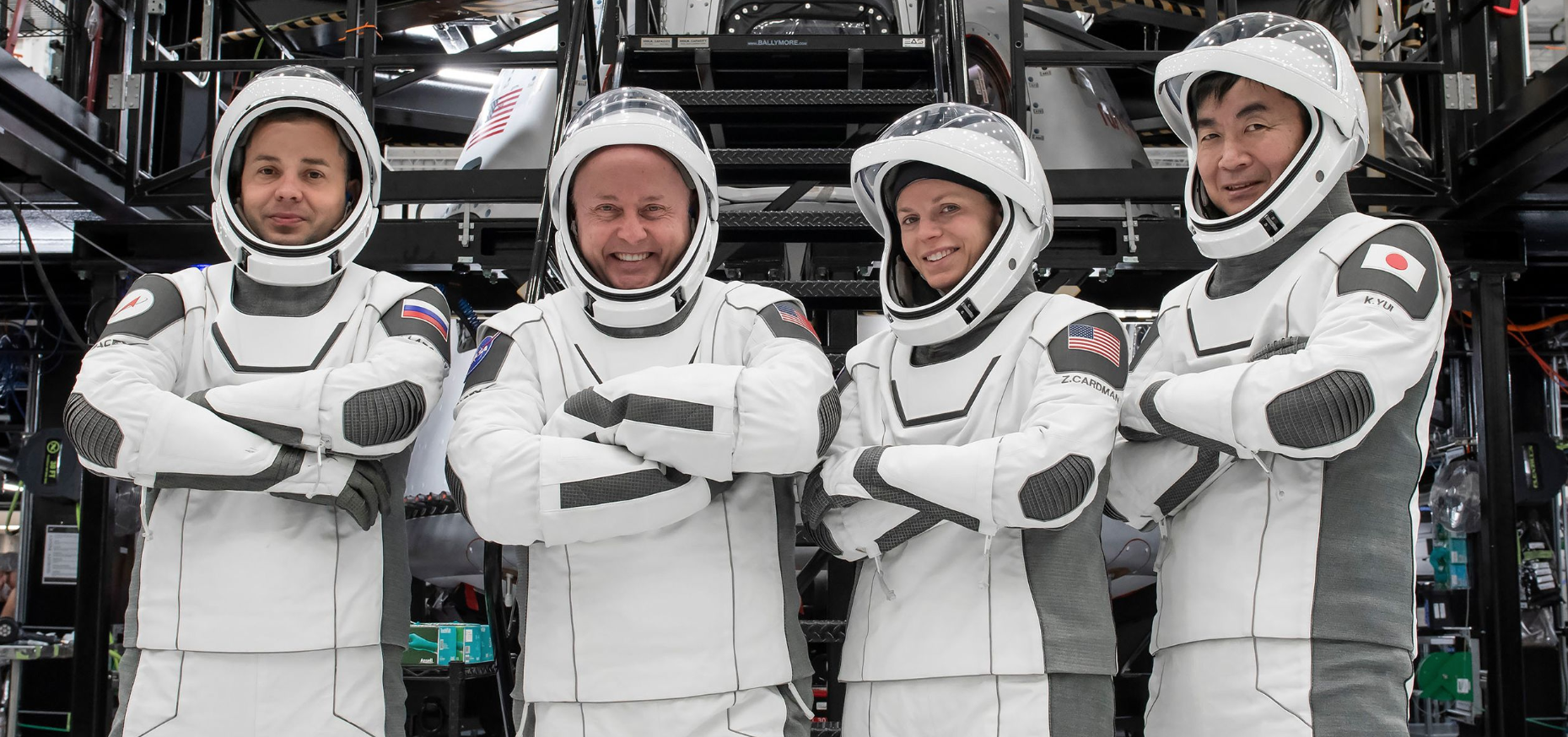
SpaceX Crew-11 astronauts returned safely to Earth today following the first medical evacuation in the history of the International Space Station, splashing down in the Pacific Ocean off San Diego at 3:41 a.m. EST (0841 GMT).
NASA’s Mike Fincke and Zena Cardman, Japan’s Kimiya Yui, and Roscosmos cosmonaut Oleg Platonov undocked from the orbiting laboratory 10.5 hours earlier, concluding a 167-day mission that was shortened due to a medical issue with one crew member.
The early return marks the first time a long-duration ISS mission has been cut short for health reasons, highlighting the challenges of extended spaceflight.
Mission Timeline
Crew-11 launched August 1, 2025, for a planned six-month stay. The quartet spent 165 days aboard the ISS before NASA announced on January 8 that the mission would end early.
A medical concern emerged January 7, leading to cancellation of a January 8 spacewalk by Cardman and Fincke. The agency cited privacy concerns and declined to identify the affected astronaut or disclose details, confirming the individual was stable.
NASA Administrator Jared Isaacman explained: “This is not an emergency de-orbit. The capability to diagnose and treat properly does not exist on the ISS.”
The crew’s safe return followed standard protocols, with Dragon capsule splashdown monitored by recovery teams.
Crew Background
- Zena Cardman (Commander) – First spaceflight; geologist and microbiologist.
- Mike Fincke – Fourth mission; veteran astronaut with 549 total days in space.
- Kimiya Yui – Second flight; JAXA astronaut with 309 cumulative days.
- Oleg Platonov – First mission; Roscosmos cosmonaut.
Cardman expressed gratitude post-splashdown: “It’s so good to be home. Thank you to the teams that got us there and back.”
Significance
The medical evacuation underscores the limitations of on-orbit healthcare. The ISS has advanced medical facilities but lacks capabilities for complex diagnostics or treatments.NASA emphasized the decision prioritized crew safety while maintaining station operations.
The event highlights ongoing challenges in long-duration spaceflight, including psychological and physiological effects.
Outlook
- Crew-11 debriefings begin immediately.
- NASA will review the medical concern to improve on-orbit care protocols.
- The incident reinforces need for enhanced health monitoring in space.
Conclusion
The safe return of Crew-11 after the first medical evacuation from the ISS demonstrates robust emergency procedures while highlighting the human challenges of spaceflight. As missions extend beyond low-Earth orbit, such events will inform future medical strategies for lunar and Mars exploration.