



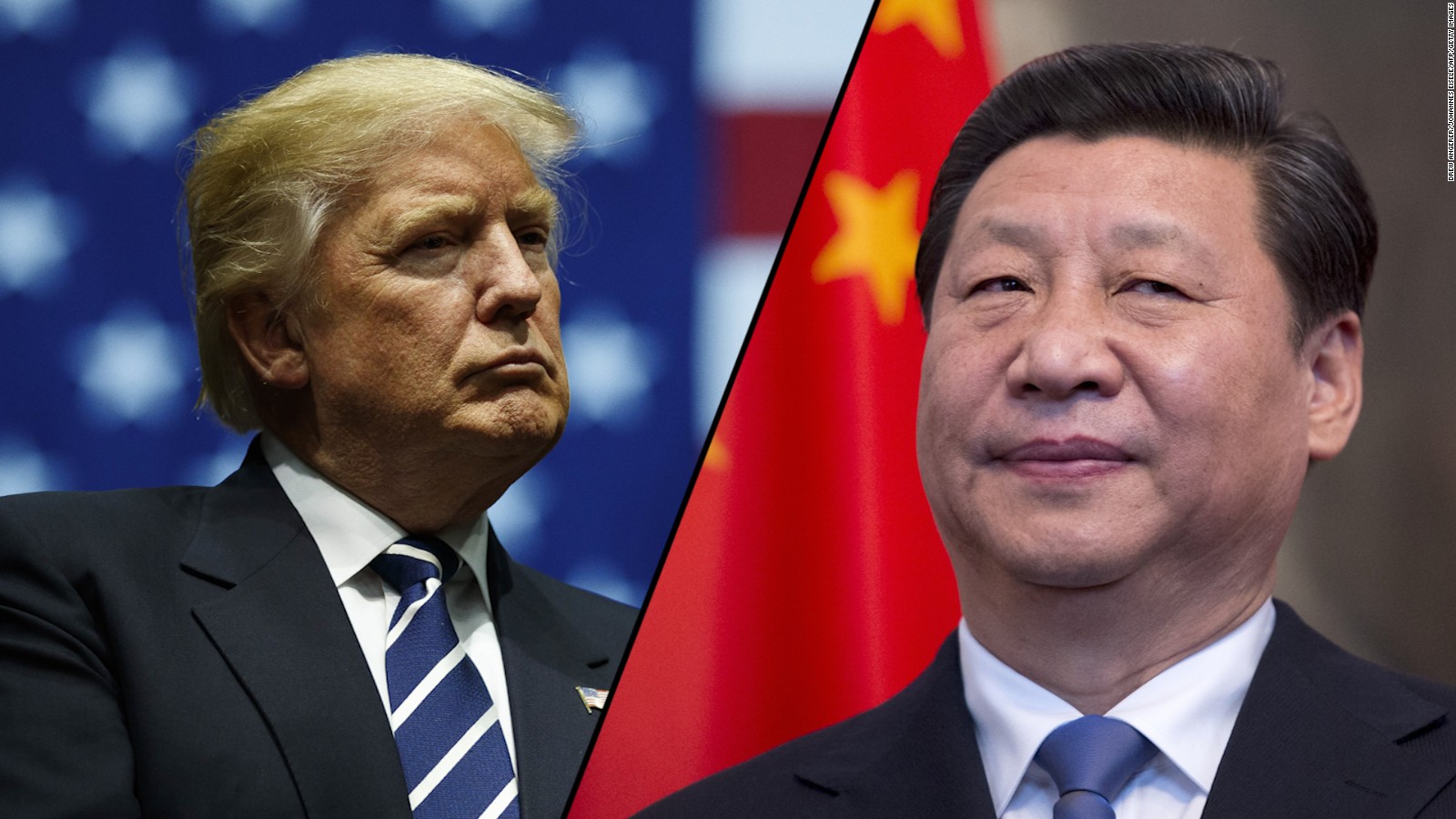
WASHINGTON / BEIJING (TechGenez) – The United States and China will hold talks on artificial intelligence in September. The discussions follow the Trump–Xi summit in May and mark a key step as the two rivals work to manage the risks from each other’s increasingly powerful frontier AI models.
The meetings are expected to take place before Chinese President Xi Jinping’s planned visit to the United States on September 24, according to the sources. The exact dates, however, have not yet been finalised.
As economic, political and military competitors, the United States and China have grown increasingly concerned about each other’s AI capabilities amid the accelerating global AI race.
Beijing and Washington are now weighing how to regulate advanced AI systems that could strengthen military power, enable cyberattacks on critical infrastructure and disrupt labour markets.
Key Topics Likely on the Agenda
The September talks will likely focus on several pressing areas, including:
- Safety standards for frontier AI models
- Limits on military applications of AI
- Protection of critical infrastructure from AI-enabled threats
- Ensuring fair competition and preventing the concentration of AI power in a few companies
The talks will be led on the U.S. side by Treasury Secretary Scott Bessent, four of the sources said. The identities of other participants, the full agenda and the location of the discussion are still under consideration as preparations remain in their early stages.
The White House, the U.S. State Department and the U.S. Treasury did not immediately respond to requests for comment.
China’s National Development and Reform Commission, cyberspace regulator, industry and foreign ministries, and the State Council did not immediately respond to faxed requests for comment.
Why the Talks Matter
Both countries have invested heavily in AI and view it as a strategic asset that can shape the future of global power. The United States and China together account for the majority of the world’s most advanced AI computing power, according to recent reports.
Without clear rules, experts fear the unchecked development of AI could lead to dangerous outcomes such as autonomous weapons systems, large-scale cyberattacks or sudden shifts in labour markets that affect millions of workers.
The September meetings are therefore seen as an important step toward building a basic framework for cooperation, even if a full agreement remains a long way off.
Outlook
Preparations for the talks are still at an early stage. Once the dates and format are confirmed, both sides are expected to share more details.
The discussions could lay the groundwork for future high-level meetings and may influence how other countries approach AI regulation in the coming years.
As the global AI race intensifies, the United States and China remain the two most important players, and their willingness to talk is viewed as a key factor in preventing uncontrolled competition from escalating into conflict.
Conclusion
The planned US-China AI talks in September represent a rare moment of cooperation between two of the world’s most powerful nations. By discussing ways to manage the risks of frontier AI models, the two countries could help shape a safer and more stable global AI landscape for years to come.