



DEARBORN, Michigan (TechGenez) – Ford Motor Company has rehired more than 300 veteran quality inspectors in recent years after AI-driven quality checks failed to match the skills and experience of its longtime human engineers.
The US automaker, which has aggressively adopted artificial intelligence across its operations, is now compensating for the limitations of its automated systems by bringing back experienced workers who have seen multiple product cycles.
“We are among many automakers who have seized on the buzz around AI, particularly amid Wall Street’s enthusiasm for the technology’s potential to boost margins,” the company noted in a statement.
AI Adoption and Initial Hype
Ford has deployed AI-powered cameras across its plants to detect quality issues at the source and mitigate supply disruptions. The automaker also rolled out 900 AI cameras in recent years as part of a broader initiative to modernize production.
In October 2025, Chief Operating Officer Kumar Galhotra said Ford was “deploying AI across the entire industrial system,” highlighting the technology’s role in improving efficiency and reducing disruptions.
Ford CEO Jim Farley had previously told author Walter Isaacson that “AI will leave a lot of white collar people behind.” The comments reflected the optimism many automakers felt about AI’s ability to transform manufacturing.
The Limits of AI Quality Checks
However, Ford executives have now acknowledged that the AI systems have not lived up to expectations. Vice President of Vehicle Hardware Engineering Charles Poon told reporters that the company mistakenly believed simply “introducing artificial intelligence and ingesting the design requirements” would produce consistently high-quality products.
“Artificial intelligence is a fantastic tool, but it’s only as good as the information you use to train it,” Poon said. He added that the company did not pay enough attention in prior years to the experience of its most knowledgeable engineers, who had worked through multiple product cycles.
Rehiring Veterans
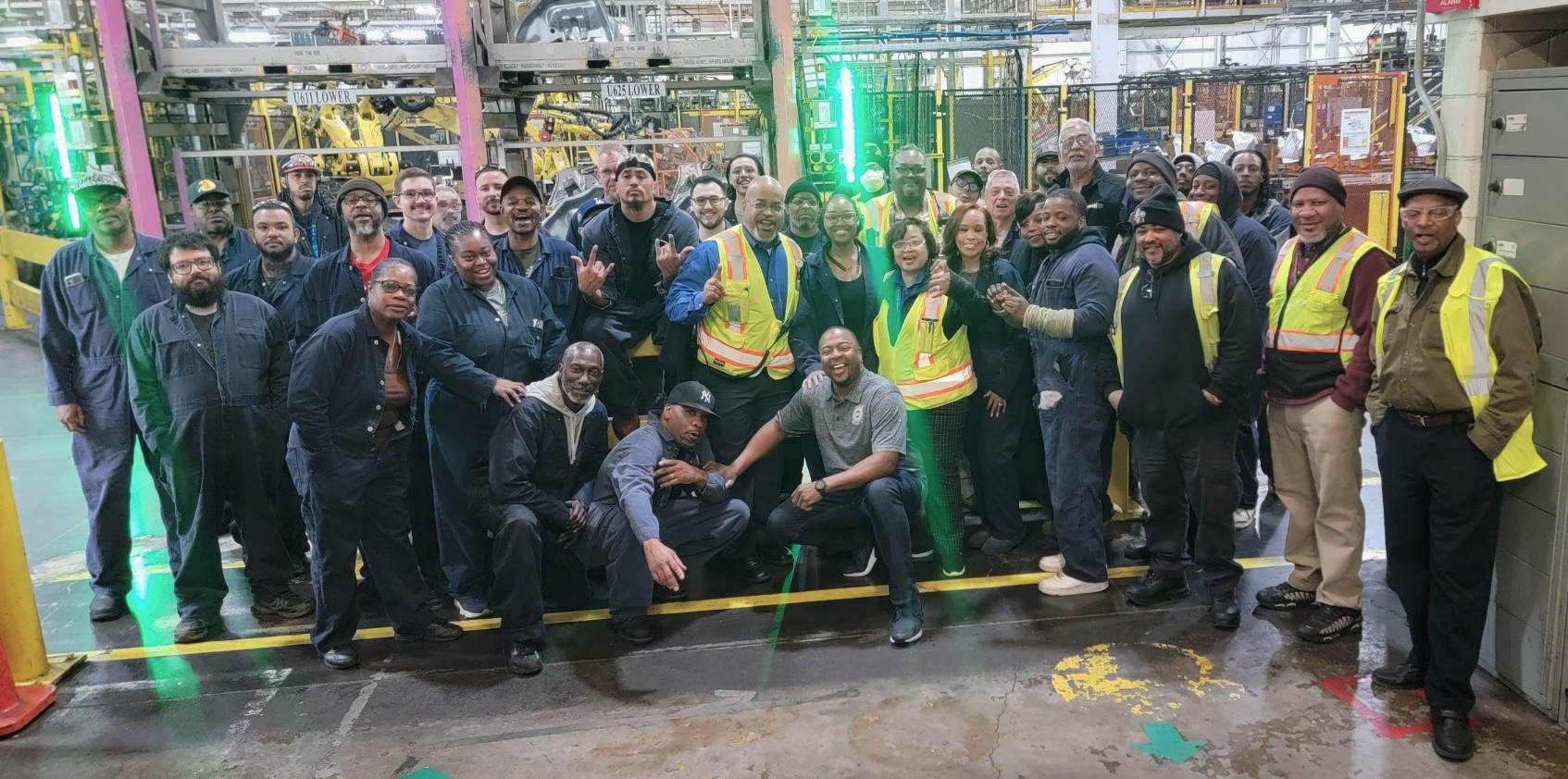
To address these gaps, Ford has rehired more than 300 veteran quality inspectors. The move underscores the limitations of current AI systems in replicating the nuanced judgment of experienced human inspectors who understand not just the data but the broader context of vehicle production.
Poon emphasized that while AI is powerful, it cannot replace the accumulated wisdom of engineers who have seen how different design decisions play out across real-world vehicles.
Broader Industry Trends
The Ford experience is not unique. Many automakers have rushed to adopt AI for quality control and other manufacturing tasks, only to discover that human oversight remains essential for complex processes.
The incident highlights a growing realization across the industry that AI works best as a powerful assistant rather than a complete replacement for human expertise in safety-critical areas like vehicle quality.
Challenges
The decision to rehires raises questions about the long-term return on investment for AI quality systems. Ford will now need to balance the cost of maintaining human inspectors alongside its AI initiatives.
The company also faces ongoing pressure to deliver affordable vehicles while improving quality, making the role of AI both an opportunity and a challenge.
Conclusion
Ford’s decision to rehires over 300 human engineers after AI quality checks fell short reveals the enduring importance of human expertise in automotive manufacturing. Even as the industry embraces AI to boost efficiency, the experience of Ford shows that no system is perfect — and that skilled people remain essential for delivering the highest standards of quality.