





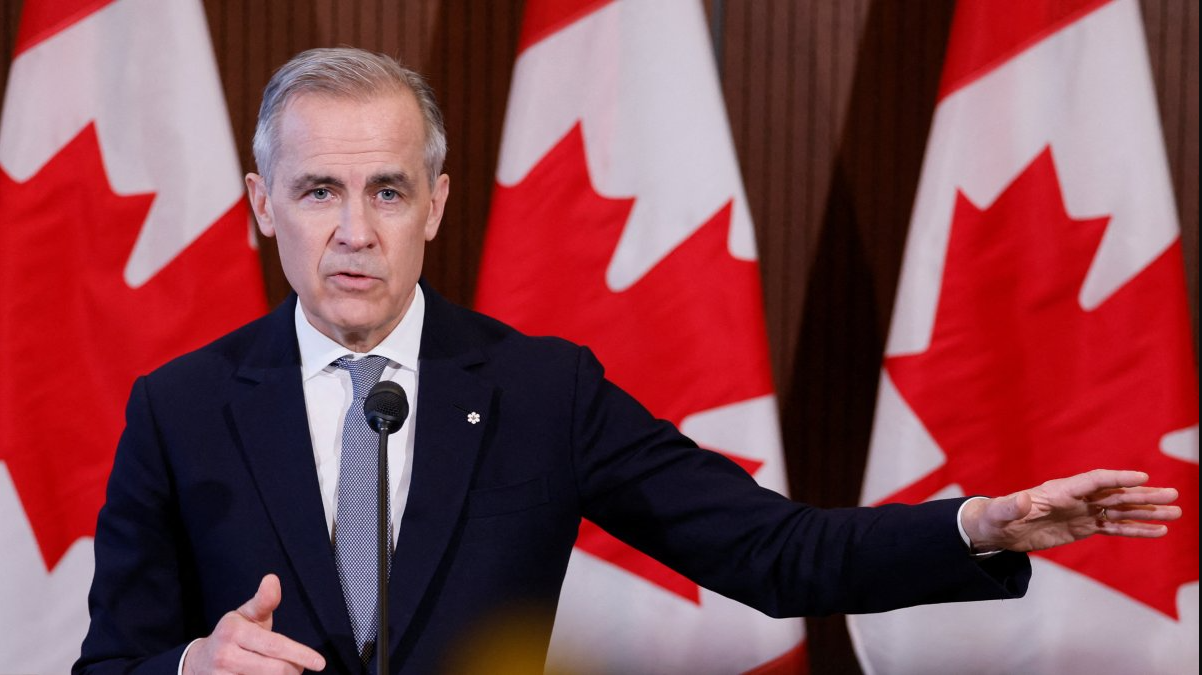
OTTAWA (TechGenez) – The Canadian government introduced a comprehensive digital safety bill on Wednesday that would ban social media access for children under 16 while establishing a new regulatory framework to make AI chatbots safer.
The legislation, months after Australia introduced the world’s first social media ban for under-16s, represents Canada’s most ambitious attempt yet to shield young people from the harms of addictive online platforms and unregulated generative AI.
The bill would impose penalties of up to 3% of a company’s global revenue or C$10 million, whichever is higher, for failing to comply with safety standards.
Main Provisions
The Digital Safety Act would create a dedicated digital regulator to set enforceable safety standards for both social media platforms and AI chatbots. The regulator would also oversee compliance and enforcement.
Key measures include:
- A ban on social media access for children under 16, with limited exemptions for platforms that meet rigorous safety requirements
- Mandatory safety standards for AI chatbots to prevent the spread of harmful content, misinformation, and exploitation
- Requirements for platforms to implement age verification and parental controls
Minister of Canadian Identity and Culture Marc Miller described the bill as a direct response to the mental health crisis among young Canadians.
“Social media platforms and AI chatbots are designed to capture attention. They do not support healthy childhood development and have become a source of anxiety, isolation, depression and a range of other mental health challenges for many young Canadians,” Miller said.
“This legislation will provide a safer environment for young Canadians and empower them to connect in-person, build friendships, focus in school, and learn real-world skills so they can thrive.”
Context and Precedent
The bill follows closely on Australia’s landmark legislation, which took effect in December 2025. Within one month, social media companies deactivated accounts for nearly five million teenagers after the ban came into force.
The Canadian proposal is expected to be more comprehensive than the Australian model, according to Brett Caraway, an associate professor at the University of Toronto who specializes in technology and privacy.
The timing also comes after families of victims in one of Canada’s worst mass shootings sued OpenAI, alleging the company was aware of the alleged perpetrator’s use of ChatGPT but failed to warn police.
Quotes
“We have seen the very serious consequences that online harms can have. As technologies evolve, we must ensure our laws keep pace, because parents cannot face these challenges alone. The safety of children cannot be an afterthought. This legislation will introduce stronger responsibilities for online platforms to ensure their services are safe by design and include appropriate measures to keep children safe.”
—The Honourable Marc Miller, Minister of Canadian Identity and Culture and Minister responsible for Official Languages
“Social media platforms and AI chatbots are designed to capture attention. They do not support healthy childhood development and have become a source of anxiety, isolation, depression and a range of other mental health challenges for many young Canadians. The healthy development of our children begins with their physical and mental well-being, which is grounded in strong and healthy social connections. This legislation will provide a safer environment for young Canadians and empower them to connect in-person, build friendships, focus in school, and learn real-world skills so they can thrive.”
—The Honourable Marjorie Michel, Minister of Health
“Canadians, especially children, deserve to be safe online. As social media, digital platforms and AI technologies play a growing role in how Canadians connect, learn and communicate, we need clear rules that protect children, build trust and hold companies accountable. This legislation is an important step toward a safer online world for Canadians.”
—The Honourable Evan Solomon, Minister of Artificial Intelligence and Digital Innovation and Minister responsible for the Federal Economic Development Agency for Southern Ontario
Corporate Responses
Technology companies responded cautiously to the announcement. A spokesperson for Google, which owns YouTube, said the company is “committed to working with the federal government to establish higher safety standards for all platforms, so parents have the confidence and control to choose better, safer online experiences for their children.”
A Meta spokesperson stated that the company “want[s] safe, positive online experiences for young people” and is “assessing the details of the Digital Safety Act.”
Elon Musk’s X and Snapchat did not immediately respond to requests for comment.
International Context
The move aligns with a growing global wave of child online safety regulations. France, Denmark, and Poland are all considering new restrictions on social media for minors, while Greece announced in April that it would ban access for those under 15 beginning in January 2027.
Outlook
The bill is expected to take approximately one year to pass through Parliament and up to 18 months after enactment to establish the digital regulator.
Prime Minister Mark Carney’s government holds a slim majority in Parliament, which is scheduled to break for summer recess soon. This timeline has raised questions about how quickly the legislation can become law.
Conclusion
Canada’s Digital Safety Act represents a bold attempt to protect the next generation from the growing risks of social media and unregulated AI. If passed, the legislation could set a new international standard for online child safety and reshape how governments around the world address the mental health impacts of digital platforms on young people.