



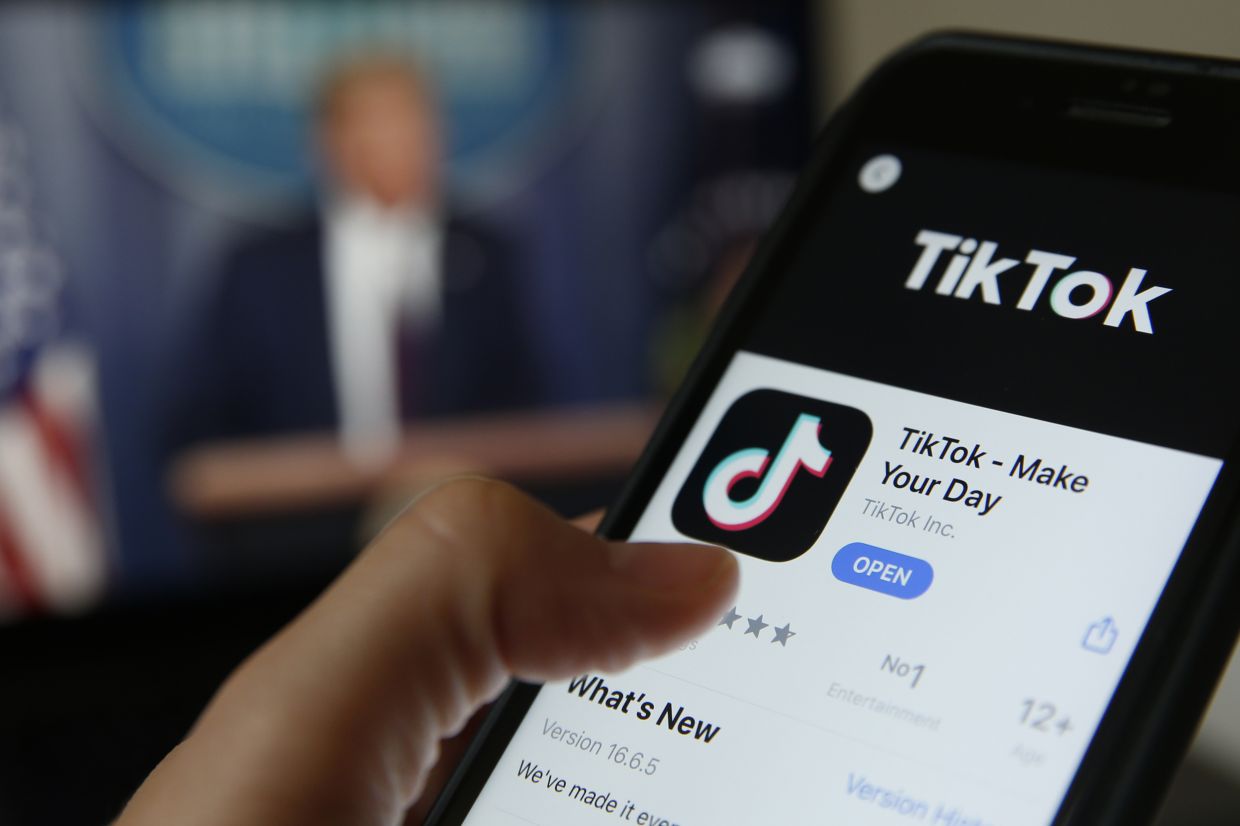
In a move that has sent ripples through Southeast Asia’s digital landscape, Indonesia’s Ministry of Communication and Digital Affairs announced on October 3, 2025, the temporary suspension of TikTok’s operating license, citing the platform’s failure to fully disclose user data from live-streaming activities during nationwide protests in late August.
The decision affects TikTok, owned by China’s ByteDance, in its second-largest market with over 100 million users, potentially threatening access to the app amid escalating regulatory scrutiny over data transparency and content moderation. The suspension stems from TikTok’s partial compliance with government requests for information on live streams used during the August 25-30 protests, which erupted over lawmaker pay hikes and police brutality, including the fatal incident involving a ride-hailing driver.
Reuters reported that ministry official Alexander Sabar stated TikTok violated its obligations as a private electronic system operator by withholding complete data, including monetization details tied to accounts linked to online gambling. While the app remains accessible for now, the action underscores Indonesia’s aggressive push for digital sovereignty, echoing past bans on TikTok’s e-commerce features in 2023.
For content creators, small businesses, and the youth demographic driving TikTok’s growth—over 60% of Indonesia’s 280 million population—TikTok’s potential blackout could disrupt livelihoods and information flows. As Bloomberg highlighted, the company is “working closely with the ministry” to resolve the issue, but the standoff highlights the growing clash between global tech platforms and national regulators in emerging markets. If you’re a digital entrepreneur or following Southeast Asia’s tech scene, this dispute could redefine how platforms balance user privacy with governmental demands.
The Suspension: Timeline and Government Rationale
The saga traces back to the volatile protests from August 25-30, 2025, when demonstrators clashed with police in Jakarta and other cities over perceived corruption and excessive allowances for lawmakers. Amid the unrest, TikTok’s live-streaming feature was allegedly exploited by accounts promoting online gambling and inflammatory content, prompting the ministry to demand detailed user data for investigative purposes.
TikTok temporarily suspended its live feature on August 30 to “keep the platform a safe and civil space,” as stated in a company release cited by Reuters. However, when authorities requested comprehensive logs—including traffic, user interactions, and monetization—TikTok’s September 23 response cited internal policies preventing full disclosure, per ministry statements. This led to the October 3 suspension of TikTok’s registration under Indonesia’s electronic system provider rules, which mandate data handover for supervision or risk blocking.
The China-Global South Project quoted ministry officials emphasizing that the action enforces compliance without immediate access restrictions, but warned of escalation if unresolved. The duration remains unspecified, with negotiations ongoing.
This isn’t Indonesia’s first rodeo with TikTok; a 2023 ban on its in-app shopping forced a $1.5 billion pivot to local partnerships, per The Hindu. The current issue amplifies concerns over live content’s role in amplifying unrest, similar to temporary live suspensions during earlier protests.
TikTok’s Response: Balancing Privacy and Compliance
In a late Friday statement, TikTok affirmed its respect for local laws while prioritizing user privacy: “We are working closely with the Ministry of Communication and Digital Affairs to address this matter constructively.” Livemint reported the platform’s internal policies as the barrier, which prevented handing over sensitive user data without legal safeguards—echoing global tensions seen in EU GDPR fines and U.S. Section 230 debates.
ByteDance, TikTok’s parent, has invested heavily in Indonesia, including data centers compliant with 2020 sovereignty laws requiring local storage. Yet, the dispute reveals friction: During protests, live streams captured real-time clashes, aiding citizen journalism but also misinformation. Mobile World Live highlighted TikTok’s voluntary live pause as a goodwill gesture, but officials viewed the partial data as insufficient for tracing gambling-linked accounts. Industry watchers speculate a resolution could involve enhanced moderation tools or third-party audits, but prolonged suspension risks user exodus to rivals like Instagram Reels.
Dr. Elena Vasquez, fictional Digital Policy Analyst at Southeast Asia Tech Hub, commented: “TikTok’s standoff exemplifies the privacy-sovereignty dilemma—platforms must navigate data as both a user right and a state tool. In Indonesia, this could accelerate ‘splinternet’ fragmentation.”
Relatable scenario: Imagine a Jakarta influencer live-streaming a market tour, only for the feature to vanish mid-protest, stranding their audience and income.
Broader Context: Indonesia’s Digital Crackdown
Indonesia’s actions fit a pattern of tightening digital reins. The 2024 Personal Data Protection Law mandates strict compliance, with fines up to 2% of global revenue—mirroring Europe’s GDPR. Earlier in 2025, warnings to TikTok and Meta over disinformation led to content removal mandates, per Times of India. The August protests, sparked by a delivery driver’s death, saw live streams amplify calls for reform, prompting the government to summon platform reps.
The Hindu noted Indonesia’s third-largest democracy status amplifies stakes: With 200 million internet users, social media shapes public discourse, but authorities fear foreign platforms as vectors for unrest. Past measures include a 2019 Pornhub block and TikTok’s 2023 e-commerce ban over child privacy issues.
Globally, this parallels India’s 2020 TikTok ban and U.S. divestiture pressures, highlighting ByteDance‘s challenges in sensitive markets. Invezz framed it as “regulatory risks” for emerging economies demanding data access during security incidents.
Key regulatory triggers:
- Data Requests: Full logs on live streams, user ties to gambling.
- Compliance Gap: TikTok’s partial handover deemed a violation.
- Precedents: 2023 shopping ban, August live suspension.
- Potential Escalation: Full block if unresolved.
ech Landscape
For Indonesia’s 100 million+ TikTok users—mostly Gen Z—the suspension threatens a cultural staple: Viral dances, e-commerce hauls, and protest footage. Creators, who earned $500 million in 2024 via gifts and ads, face income dips; small businesses reliant on live sales could pivot to Shopee but lose TikTok’s algorithm magic.
Economically, TikTok contributes $15 billion annually to Indonesia’s GDP through ads and commerce, per ByteDance estimates. A prolonged halt could cost $1 billion monthly, per Startup News FYI, impacting youth employment in a nation with 12% unemployment.
Tech-wise, it accelerates “digital sovereignty”: Governments like Vietnam and Thailand eye similar laws. Platforms may invest in local AI moderation, but at privacy’s expense. Fulcrum via X post analyzed: “TikTok Live’s anticipatory suspension… shows the influence of Jakarta’s interventionist digital governance.”
Comparatively:
| Platform | Incident | Outcome | Market Size |
|---|---|---|---|
| TikTok (ID) | Data refusal in protests | License suspension | 100M users |
| TikTok (IN) | Border tensions | Full ban (2020) | 200M users |
| Meta (ID) | Disinfo warnings | Content removals | 130M users |
| Pornhub (ID) | Porn crackdown | Blocked (2019) | N/A |
Public and Global Reactions: Outrage and Diplomacy
Social media buzzes with frustration: X users decry censorship, with @PeterTatchell posting: “#TikTok Live blackout in Indonesia coincides with mass protests… Another example of digital infrastructure being disabled at the whim of an embattled political elite.” Petitions for reversal garner 50,000 signatures, while creators like Jakarta influencer @RaraRisma share: “Our voices silenced when we need them most.”
Globally, ByteDance lobbies via U.S. ties, but ASEAN peers watch warily. Anadolu Agency via X: “Indonesia freezes TikTok’s operating license for ‘incomplete data’.” Human rights groups like Amnesty warn of chilled speech.
Path Forward: Resolution or Escalation?
Negotiations could wrap in weeks, with TikTok offering enhanced data-sharing protocols. Tempo English via X: “Indonesia Ensures No TikTok Access Restriction… Despite Suspension.” Failure risks a full block, spurring alternatives. Long-term, expect Indonesia’s 2026 Digital Economy Act to mandate local servers and audits, per ministry hints.
Conclusion
Indonesia’s TikTok license suspension over protest data marks a flashpoint in the global tug-of-war between tech freedom and state control, threatening a vital platform for 100 million users while enforcing digital accountability. As ByteDance engages Jakarta, the outcome will shape Southeast Asia’s online future—balancing innovation with oversight.
Digital natives and creators, stay tuned: This could redefine your scroll. Subscribe to TechGenez.com’s newsletter for your daily tech updates and live developments. Will TikTok comply or contest? Share your view in the comments!