





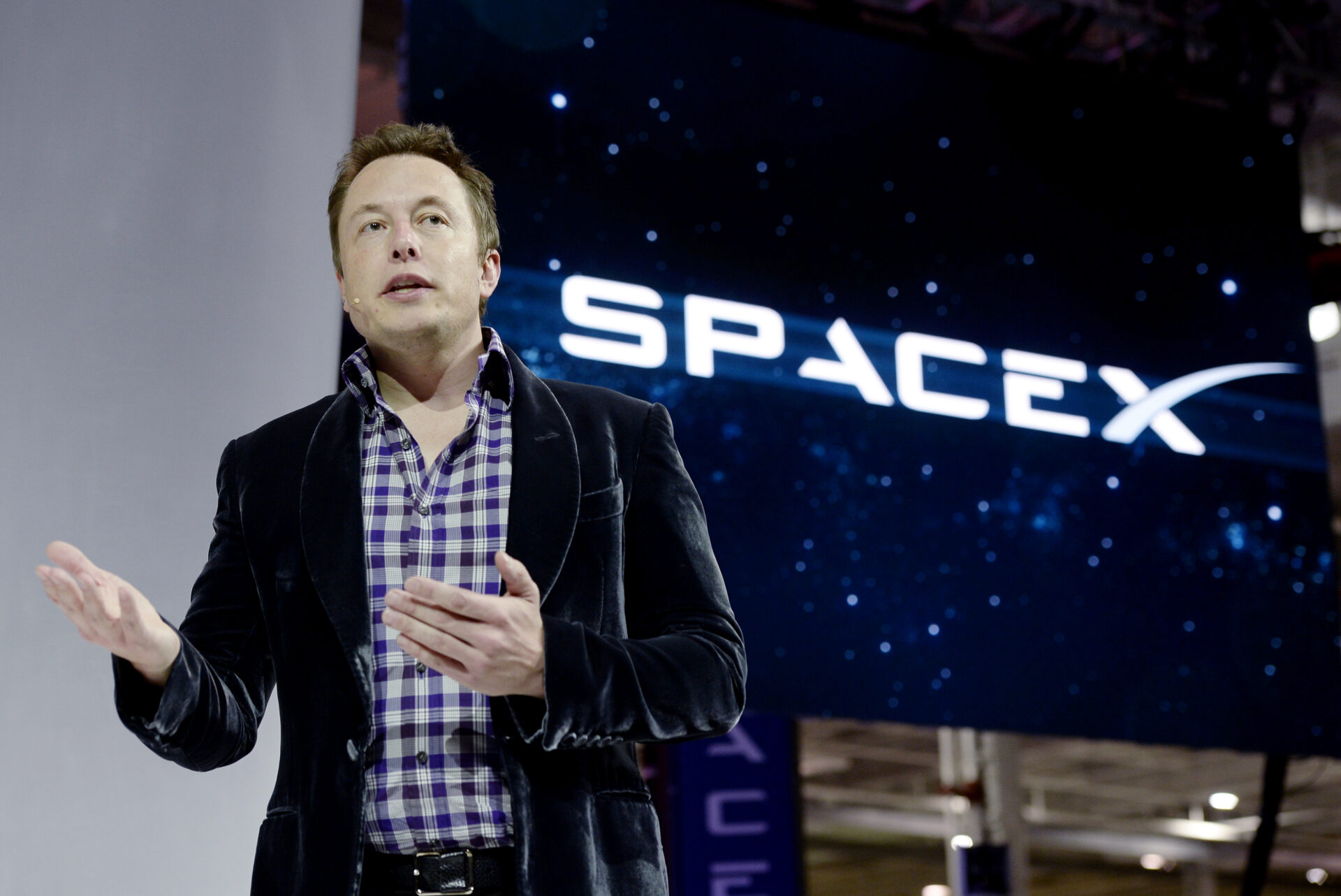
(TechGenez) – Elon Musk’s SpaceX is preparing to file a prospectus for an initial public offering as early as this week, positioning the company for what could be the largest stock market debut in history, according to people familiar with the plans.
The rocket and Starlink satellite broadband business could seek to raise more than $75 billion at a valuation exceeding $1.75 trillion, significantly surpassing Saudi Aramco’s $29.4 billion offering in 2019, the current record holder.
Recent secondary share sales have already valued SpaceX at around $800 billion, but the IPO target reflects surging investor confidence in Starlink’s subscriber growth and the company’s long-term ambitions in reusable launch systems and deep-space exploration.
IPO Preparations and Timing
SpaceX has been holding discussions with investment bankers in recent weeks to finalize the timing and structure of the listing. The company is expected to submit a confidential filing with U.S. regulators imminently, paving the way for a potential public debut later in 2026.
The IPO would be marketed to investors as a diversified platform combining high-frequency rocket launches, a rapidly expanding global satellite internet network, and future projects including Starship development and orbital infrastructure.
The Information, citing sources with direct knowledge, reported that the offering could raise substantially more than the $50 billion previously anticipated.
Valuation Drivers
The jump to a potential $1.75 trillion valuation is largely driven by Starlink, SpaceX’s satellite broadband service, which has become the company’s primary revenue engine.
Estimates from analysts including Morningstar and Payload Space project SpaceX generated roughly $15–16 billion in revenue in 2025, with Starlink accounting for the majority. Projections for 2026 show revenue climbing to $23–24 billion, fueled by continued subscriber growth and international expansion.
The valuation multiple implied by the IPO target, approaching 100 times 2025 revenue, reflects expectations of sustained high growth as Starlink scales toward tens of millions of users and new applications such as direct-to-cell connectivity.
Broader Context
A successful SpaceX IPO would represent a landmark moment for the commercial space industry and one of the most significant technology listings in recent years. It would also provide Musk’s company with substantial capital to accelerate Starship production, expand Starlink coverage, and pursue ambitious goals including lunar bases and eventual Mars missions.
The timing aligns with a broader resurgence in tech IPO activity, including potential listings from other high-profile AI and space-related companies.
Musk has previously indicated SpaceX would remain private until regular Mars flights become feasible, but recent preparations suggest the company is now ready to tap public markets while maintaining its long-term exploration objectives.
Challenges
SpaceX faces several risks that could influence investor sentiment:
- Regulatory and spectrum challenges for Starlink expansion in key markets
- High development costs and technical risks associated with the Starship program
- Intense competition in satellite broadband from Amazon’s Project Kuiper and other players
- Greater public scrutiny of financial performance and governance following the listing
The company will also need to adapt to the demands of quarterly reporting and greater transparency as a publicly traded entity.
Outlook
If SpaceX proceeds with the filing this week, the formal IPO process could extend over several months, with a potential listing targeted for the second or third quarter of 2026 depending on market conditions and regulatory approvals.
The offering is expected to attract strong demand from institutional investors seeking exposure to the commercial space sector and high-growth satellite communications.
A successful debut could set a new benchmark for technology IPOs and provide fresh momentum for the broader space economy.
Conclusion
SpaceX’s potential record-breaking IPO filing would mark a transformative moment for Elon Musk’s aerospace empire and the commercial space industry at large. With a valuation exceeding $1.75 trillion and Starlink driving explosive revenue growth, the company appears poised to enter public markets at an unprecedented scale while continuing its pursuit of ambitious goals far beyond Earth’s orbit.