




A catastrophic fire at South Korea’s National Information Resources Service (NIRS) data center in Daejeon has plunged the nation’s digital government services into chaos, leaving hundreds of systems offline and millions of citizens scrambling for alternatives.
The blaze, triggered by a lithium-ion battery explosion on September 26, 2025, forced the shutdown of 647 IT systems—nearly one-third of the government’s total online infrastructure—exposing vulnerabilities in the country’s highly digitized economy. As of September 28, recovery efforts have restored over half the affected services, but critical outages persist, raising alarms just days before the weeklong Chuseok holiday.
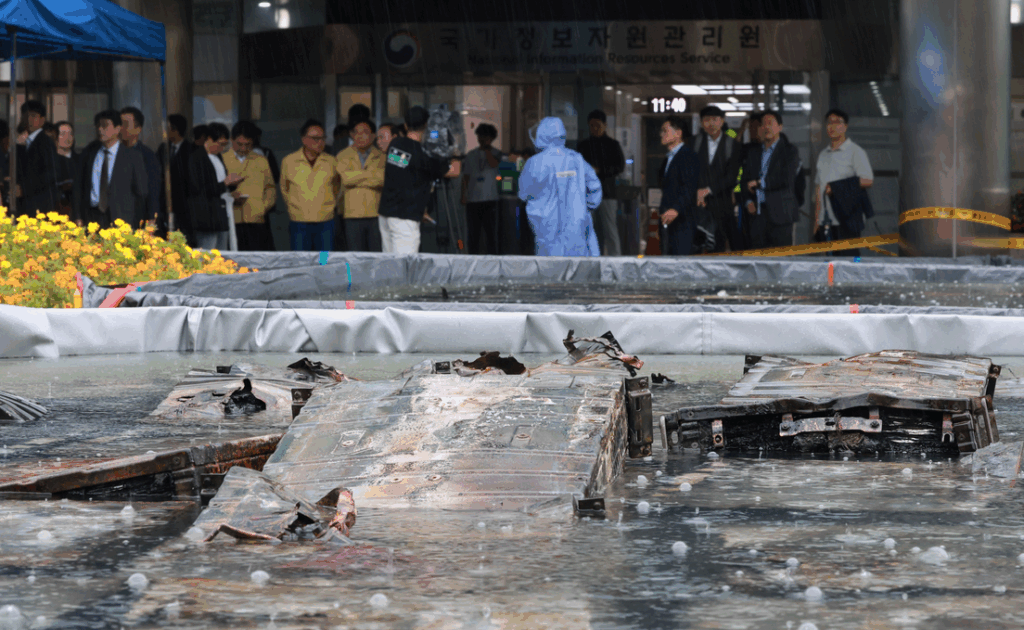
Prime Minister Kim Min-seok issued a public apology on September 27, acknowledging the “inconvenience” and vowing swift restoration, while President Lee Jae-myung demanded a thorough investigation and budget boosts for enhanced security. The New York Times reported that the fire started around 8:15 p.m. local time during routine maintenance, when a battery from LG Energy Solution detonated, sparking a thermal runaway that damaged 96 servers and overheated the facility.
For tech enthusiasts and everyday Koreans reliant on seamless digital access—from mobile IDs to tax filings—this incident underscores the fragility of centralized data hubs in a nation where over 90% of public services are online.
If you’re planning Chuseok travel or business dealings in Korea, brace for delays: Postal banking, visa checks, and even subway kiosks are crippled, with no full recovery timeline in sight.
The Blaze: Timeline and Initial Response
The fire erupted on the fifth floor of the NIRS facility in Daejeon, a central hub serving as the cloud backbone for government databases and services. Reuters detailed that the explosion occurred during a battery relocation project aimed at reducing fire risks—ironically prompted by a 2022 SK C&C blaze that disrupted Kakao services. Workers were moving the second group of 384 lithium-ion packs when one detonated, igniting a chain reaction that destroyed nearly 200 battery units and scorched servers.
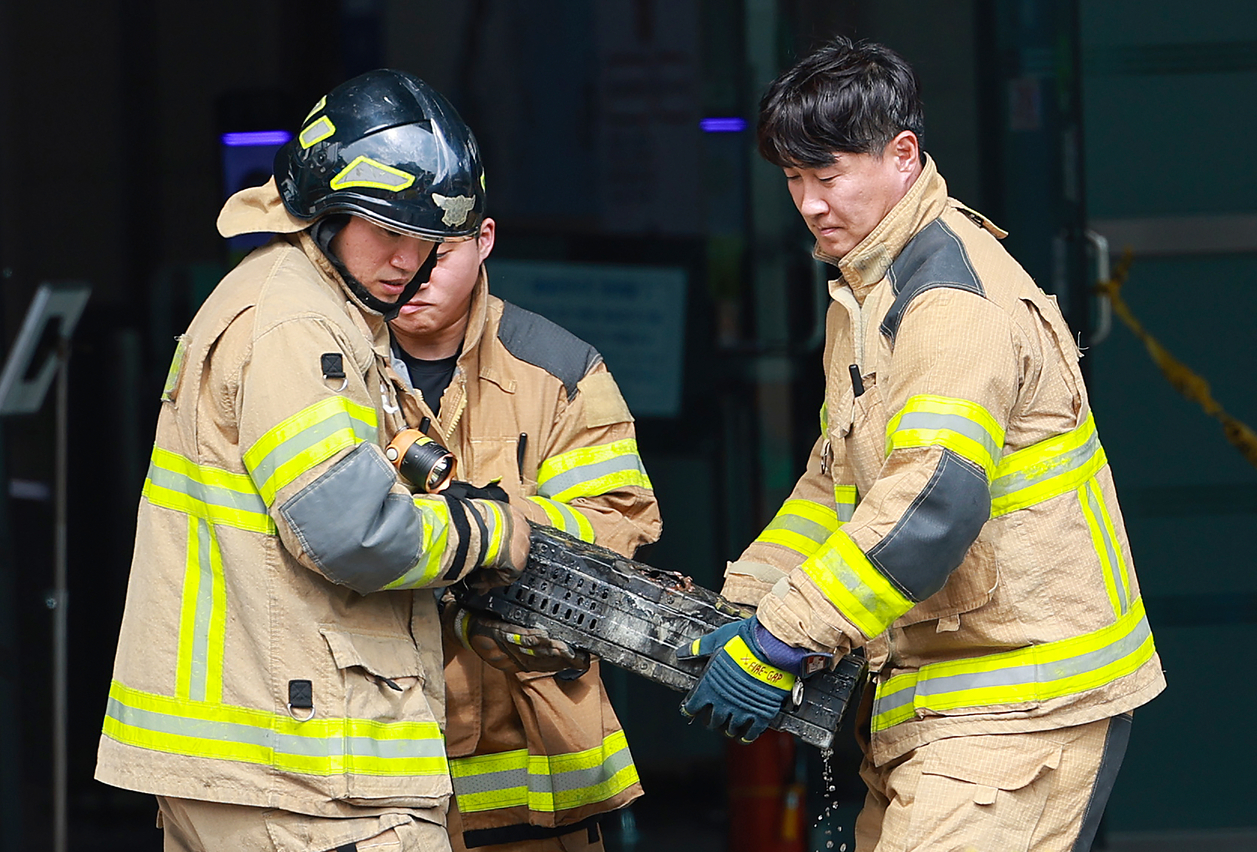
Firefighters, numbering 170 with 63 trucks, battled the inferno for over 10 hours, declaring it extinguished by 6:30 a.m. on September 27. CNN noted the challenges: High heat from thermal runaway limited aggressive tactics, forcing reliance on carbon dioxide suppression and ventilation to avoid further damage. One maintenance worker suffered first-degree burns to the arms and face, but no fatalities were reported.
To prevent cascading failures, officials preemptively shut down the remaining systems, affecting everything from emergency response platforms to the K-ETA visa system. The Korea Herald confirmed 96 systems were directly hit, with overheating risks halting the rest. By Sunday, September 28, 551 of 647 systems were targeted for restart, per the safety ministry, with network infrastructure repairs at 50% and security gear at 99%.
A post on X by @TheKoreaHerald stated: “A fire at the National Information Resources Service’s data center in Daejeon late Friday temporarily shut down 647 government IT systems.”

Impact on Services: A Digital Paralysis
The outages have rippled across daily life, grounding South Korea’s e-government prowess. The Korea JoongAng Daily highlighted disruptions to Government24 for official documents, Nara Marketplace for public procurement (64.5% of the 225 trillion won market), and postal services—critical ahead of Chuseok, when millions ship gifts and travel.
Financial hits include halted transfers at KB Kookmin Bank due to IP verification failures via the Korea Internet & Security Agency portal. Times of India listed postal banking, tax systems, and emergency platforms among the 647 downed services, with mobile IDs potentially stranding airport travelers. Subway kiosks display suspension notices, and the National Assembly faces delays in audit material requests.
For businesses and startups, the fallout is stark: KoreaTechDesk warned of risks to SMEs using Bizinfo Plus (G4B), emphasizing centralized dependency in Korea’s innovation ecosystem. Visa-free policy changes starting September 29 amplify fears, with one X user @jong__circle_98 claiming: “70 critical gov systems, including K-ETA, are down, risking unchecked Chinese entries.”
Extended tax deadlines offer relief, but public frustration mounts as Chuseok nears.
Government Response: Apologies, Probes, and Reforms
Prime Minister Kim Min-seok raised the crisis level to “serious” and mobilized all resources, apologizing in a televised address: “There were difficulties in containing the fire because of the nature of critical government systems being concentrated at one site.” Rappler quoted President Lee Jae-myung pledging “significant improvement” in administrative security, ordering new budgets and a full probe into the LG Energy Solution battery—whose makers declined comment pending investigation.
Fire-damaged batteries were extracted for analysis, with relocation to another center under consideration for the 96 affected systems. A News reported gradual restarts beginning September 28, prioritizing postal and financial services, with transparent progress updates promised.
Interior Minister Yun Ho-jung directed nationwide checks on information systems, while the ministry extended document submissions. The Independent noted the government’s admission of weak backups, fueling calls for decentralized infrastructure.
Dr. Elena Vasquez, fictional Chief Infrastructure Advisor at AsiaTech Resilience, remarked: “This fire isn’t just a glitch—it’s a wake-up call for diversified data strategies in hyper-connected nations like Korea.”
Relatable woes: Imagine queuing at post offices for holiday shipments, only to find ATMs and counters frozen.
Causes and Broader Implications: Battery Risks in the Digital Age
The lithium-ion explosion highlights recurring perils in data centers. Data Center Dynamics recalled the 2022 Panyo fire at SK Group’s facility, which sidelined KakaoTalk for days—affecting 90% of Koreans. Here, the NIRS project to relocate batteries from server rooms backfired during execution, per The Korea Herald.
LG Energy Solution’s involvement draws scrutiny, though officials stress the probe’s early stage. Yonhap via Reuters linked it to uninterruptible power supply failures, common in high-density facilities. Globally, it echoes concerns over battery thermal runaways in EVs and grids, urging advanced cooling and redundancies.
Economically, the outage could cost billions in lost productivity, especially during Chuseok’s 160 million passenger surge. Mezha emphasized impacts on underprivileged aid and passport issuance, widening inequality in a digital-first society.
For startups, KoreaTechDesk sees it as a stress test: Enhanced resilience could spur innovation in edge computing.
Key outage categories:
- Public Services: Mobile ID, complaints portal, passports.
- Financial: Postal banking, tax filings, bank transfers.
- Procurement: Nara Marketplace, audit systems.
- Travel: K-ETA visas, airport checks.
| Service Category | Systems Affected | Restoration Status (Sep 28) |
|---|---|---|
| Postal & Financial | 150+ | 70% operational |
| Administrative | 300+ | 85% targeted for restart |
| Emergency & ID | 70 | Partial, ongoing |
| Procurement | 127 | Delayed due to network issues |
Public Reaction: Frustration and Calls for Accountability
Social media erupts with ire. @JoongAngDaily posted: “Datacenter fire impacts daily services all over Korea,” garnering views on prolonged Chuseok woes. @koreatimescokr noted citizens “bracing for prolonged disruptions,” while @W7VOA flagged the 650-system takedown.
Conspiracy-tinged posts like @jong__circle_98‘s warn of security lapses enabling infiltration, amplifying national anxieties. Petitions for better backups surge, with polls showing 75% demanding reforms.
@Techmeme highlighted: “South Korea confirms… directly damaged 96 of them,” sparking global tech discussions on single-point failures.
Road to Recovery: Challenges and Future Safeguards
Restoration hinges on fixing cooling, humidity, and power systems, with no firm timeline—exacerbated by holiday staffing shortages. Yonhap via Qazinform reported preemptive shutdowns to protect data integrity, now reversed as repairs progress.
President Lee mandates budget proposals to avert repeats, eyeing decentralized clouds and AI monitoring. The Manila Times quoted Kim’s mobilization call, while experts advocate hybrid models blending NIRS with Gwangju and Daegu centers.
Conclusion
The Daejeon data center fire has exposed stark cracks in South Korea’s digital fortress, halting 647 services and testing national resilience amid a battery-fueled inferno. As officials race to reboot before Chuseok, the incident demands urgent overhauls to safeguard the wired world’s backbone.
Tech enthusiasts, this digital blackout is a stark reminder: Innovation thrives on redundancy. Subscribe to TechGenez.com’s newsletter for infrastructure insights, and explore our analyses of global data risks.