





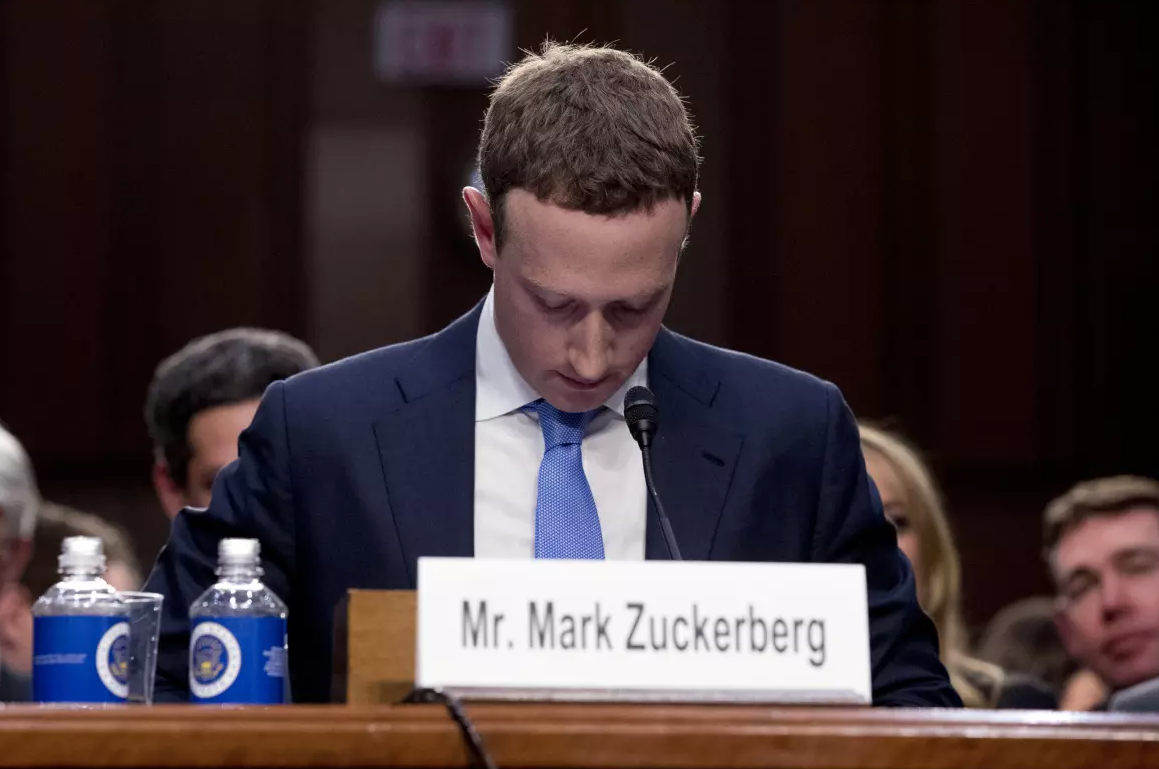
LOS ANGELES – Meta Platforms CEO Mark Zuckerberg testified in a landmark civil trial on February 18, 2026, denying that Instagram targets users under 13 while confronting internal documents that discussed strategies to engage preteens, in a case alleging the platform’s addictive design harmed children’s mental health.
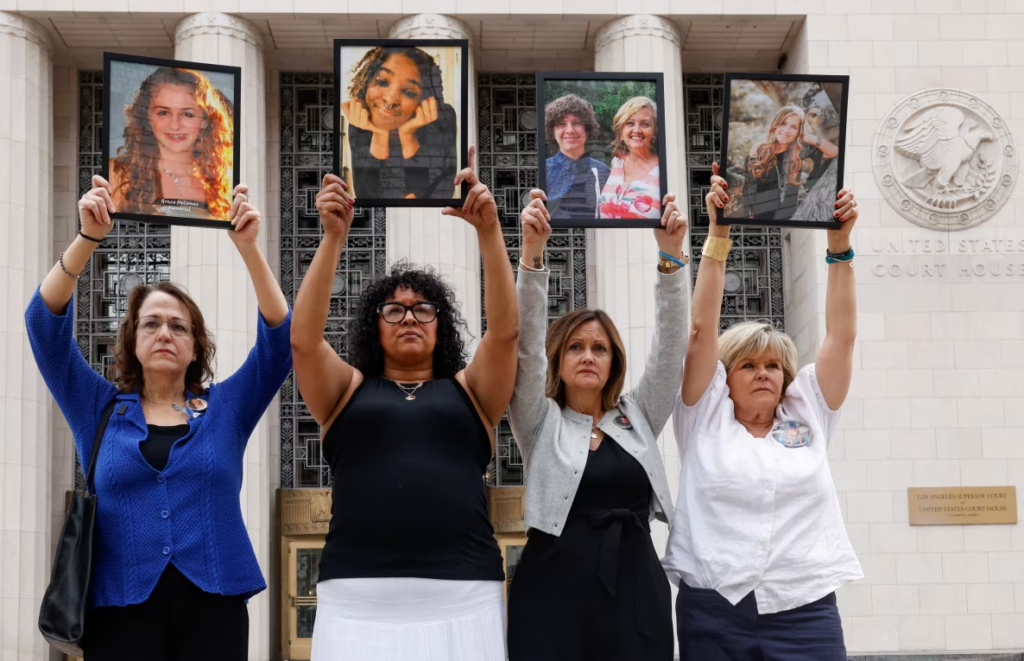
The Los Angeles Superior Court proceeding, a test case from hundreds of similar lawsuits, features plaintiff Kaley G.M., a 20-year-old from Chico, California, who claims starting Instagram at age 9 led to severe depression and suicidal ideation. Defendants TikTok and Snap settled out of court; Meta and Google’s YouTube remain.
Zuckerberg’s appearance, his first jury testimony on child safety, drew crowds and highlighted public distrust of Big Tech.
Testimony Details
Zuckerberg affirmed Instagram’s 13+ policy, stating: “People under 13 are not allowed.” He acknowledged age-lying issues: “A meaningful number of people lie about their age.”
Plaintiff attorney Mark Lanier presented:
- 2018 estimate of 4 million under-13 users (30% of U.S. 10-12 year olds).
- 2013 documents on targeting teens and under-13s.
- 2017 internal chat calling under-13 push “gross.”
- 2022 milestones aiming for 40-46 minutes daily teen time spent.
Zuckerberg described these as benchmarks, not goals, and emphasized: “These aren’t targets we give teams.”
He tied Meta’s success to philanthropy: “Most of my stock is in CZI for science research—the better Meta does, the more we give.”
The courtroom included a frowning stick figure symbolizing harm; judge warned against AI glasses recording.

Company Response
Meta maintains platforms are for 13+, with robust safety features like age verification and parental tools.
Spokesperson Stephanie Otway: “The jury focuses on whether Instagram substantially caused the plaintiff’s issues—she faced challenges before social media.”
Meta argues against liability for addictive designs, casting doubt on plaintiff’s addiction claims.
Broader Context
The trial consolidates claims from parents and users alleging Meta and YouTube prioritized engagement over safety, exacerbating youth mental health crises.Unsealed documents show Meta’s awareness of teen harms, particularly girls, while downplaying publicly.
Pew Research shows Zuckerberg’s favorability at historic lows, comparable to fringe beliefs. Experts note potential damage to Meta’s California political influence, amid $20 million super PAC spending and $50 million university project.
Challenges
- Causation proof is tough, requiring links between use and harm.
- Internal docs could undermine defenses if seen as evidence of negligence.
- Verdict could trigger billions in damages across similar cases.
- Broader tech scrutiny in EU/UK under stricter rules.
Outlook
- Trial continues with experts and parents; verdict spring 2026.
- Outcome may spur federal youth safety laws.
- Meta plans appeals if unfavorable.
- Zuckerberg’s testimony amplifies calls for accountability.
Conclusion
Zuckerberg’s defense in this pivotal trial highlights the escalating legal and public reckoning over social media’s youth impact. The verdict could redefine platform responsibilities, influencing global digital safety standards.