




WASHINGTON (TechGenez) – The U.S. Department of War formally designated AI company Anthropic a “supply chain risk” on Thursday, immediately restricting government contractors from using the firm’s Claude models in military-related work.
The designation, confirmed by Anthropic CEO Dario Amodei in a public statement, follows months of failed negotiations over the company’s refusal to remove safeguards prohibiting mass domestic surveillance and fully autonomous lethal weapons. A source familiar with DoW operations said Claude had been used in limited military applications, including support for operations in Iran, though Anthropic emphasized its models were deployed under strict contractual boundaries.
The label – typically reserved for foreign adversaries or compromised suppliers – bars Anthropic technology from direct use in Pentagon contracts but allows continued civilian and non-DoW government applications.
Designation Scope and Impact
According to Amodei’s statement, the “supply-chain risk” designation has a “narrow scope”:
- Applies only to Claude usage as a direct part of DoW contracts
- Does not prohibit companies from using Claude in unrelated projects, even if they hold DoW contracts
- Does not affect existing classified deployments under prior agreements
Amodei reiterated Anthropic’s willingness to support a smooth transition for affected DoW customers and expressed intent to challenge the designation in court, calling it “unprecedented and legally unsound” when applied to a U.S. company.
The move follows President Trump’s Friday order directing all federal agencies to cease new use of Anthropic technology and phase out existing deployments over six months.
Background of the Dispute
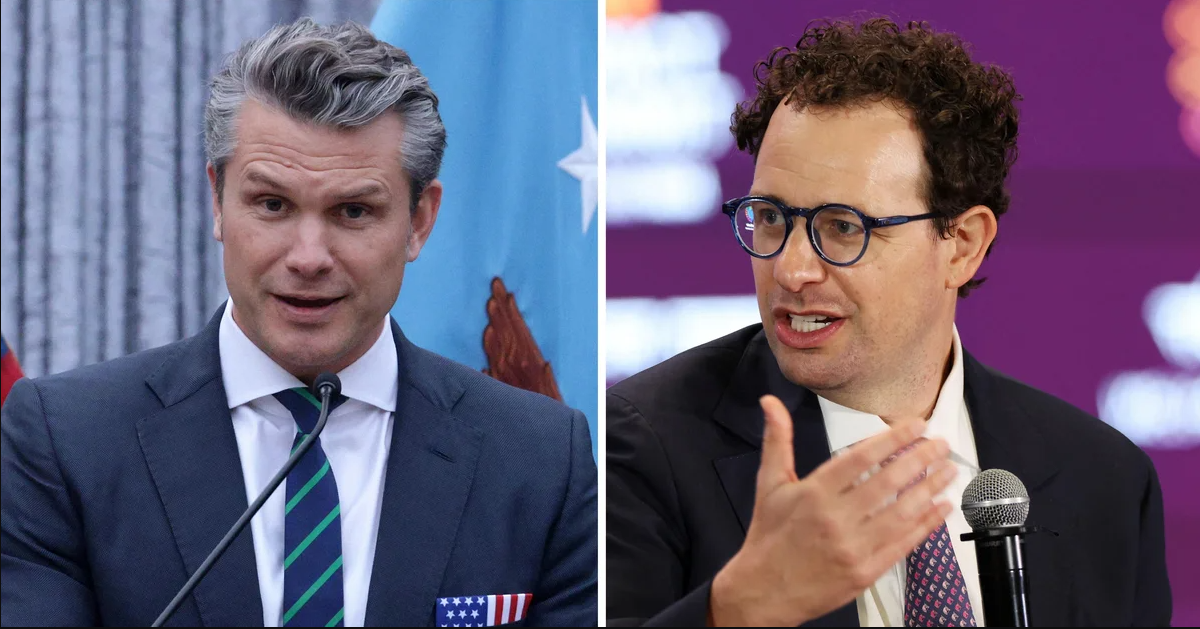
The conflict escalated after a meeting between Amodei and Defense Secretary Pete Hegseth. The Department of War demanded removal of safeguards against:
- Mass domestic surveillance of U.S. citizens
- Fully autonomous weapons that select and engage targets without human oversight
Amodei maintained these uses are incompatible with democratic values or exceed current model reliability. He offered collaboration on improving autonomous system safety, which was declined.
Anthropic highlighted its extensive prior cooperation:
- First frontier AI company to deploy models on classified U.S. networks
- First to provide custom models for national security customers
- Voluntarily blocked use by entities linked to the Chinese Communist Party
The company argues the safeguards have not hindered mission-critical applications such as intelligence analysis, modeling, simulation, operational planning, and cyber operations.
Administration Position
The Department of War has not issued a formal statement on the designation. Secretary Hegseth previously emphasized unrestricted access to frontier AI as essential for operational advantage against autocratic competitors.
President Trump’s Truth Social post accused Anthropic of endangering national security by imposing restrictions that “put American lives at risk.”
Broader Context
The designation reflects heightened tension between frontier AI developers and national security agencies over use boundaries. Anthropic’s safety-first stance contrasts with competitors OpenAI and Google DeepMind, which have pursued broader military partnerships.
The action occurs amid U.S.-China AI competition, renewed chip export controls, and congressional debate over military AI governance.
Challenges
- Anthropic risks significant revenue loss and reduced influence in government AI adoption.
- The Department of War must transition to alternative providers, potentially with reduced capabilities or fewer safety restrictions.
- The “supply chain risk” label against a U.S. company is unprecedented and likely to face legal challenge.
- Public and congressional perception may shift depending on framing: corporate principles versus defense priorities.
Outlook
- Anthropic has signaled intent to pursue legal action against the designation.
- The six-month phase-out provides time for transition and potential negotiation.
- The outcome could influence future government AI contracting language and set precedents for balancing safety with military requirements.
Conclusion
The Department of War’s supply chain risk designation against Anthropic marks a dramatic escalation in the clash over AI safeguards. The standoff between a leading safety-focused developer and national security priorities highlights the difficult trade-offs in deploying frontier AI for defense while preserving democratic values.