





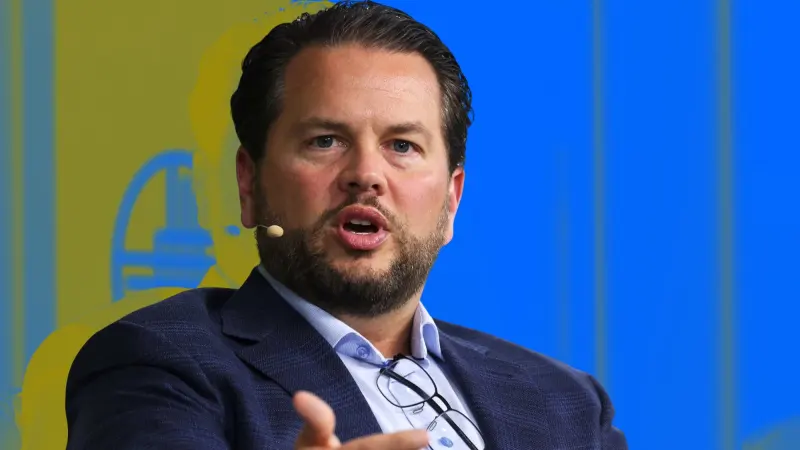
(TechGenez) – Pinterest CEO Bill Ready has called on world leaders to implement a global ban on social media access for children under 16, arguing that current age restrictions and enforcement mechanisms are insufficient to protect youth mental health.
In a detailed LinkedIn essay posted Friday, Ready urged governments to adopt a clear, enforceable standard: “no social media for teens under 16, backed by real enforcement, and accountability for mobile phone operating systems and the apps that run on them.” He cited Australia’s world-first under-16 ban, enacted in late 2025, as a model for other nations.
The statement arrives as a landmark Los Angeles trial involving Google (YouTube) and Meta (Instagram) nears a jury verdict. Plaintiffs allege the platforms’ addictive designs contributed to severe mental health issues, including depression and suicidal ideation, among minors.

Ready’s Argument and Position
Ready emphasized that social media platforms, including Pinterest, operate under a U.S. minimum age of 13, but enforcement remains weak due to easy age falsification and limited accountability for device makers and app stores.
He wrote: “We need a clear standard: no social media for teens under 16, backed by real enforcement, and accountability for mobile phone operating systems and the apps that run on them.”
Ready positioned the call as non-partisan and focused on child welfare, noting that Pinterest has worked to limit harmful content and promote positive inspiration. He did not advocate banning existing users under 16 but focused on preventing new sign-ups.
A Pinterest spokesperson declined to comment beyond the LinkedIn post.
Context of the LA Trial
The Los Angeles County Superior Court trial, now in jury deliberation, consolidates claims from parents and former teen users against Meta and Google. It alleges that Instagram and YouTube algorithms prioritize engagement over safety, contributing to anxiety, body image issues, and in some cases, suicide.
Internal documents unsealed during the trial revealed discussions about teen engagement strategies, including monitoring usage patterns of users who falsified their age to access platforms.
The jury’s verdict could set a precedent for platform liability under state consumer protection laws and potentially influence federal legislation.
Industry and Regulatory Landscape
Ready’s position diverges from most Big Tech leaders, who have resisted stricter age limits, arguing for better parental controls and safety tools instead of outright bans.
Australia’s under-16 ban, enforced through age-verification requirements and fines up to A$50 million for non-compliance, has achieved high compliance rates but faced criticism from some tech companies and free-speech advocates.
In the U.S., the Children and Teens Online Privacy Protection Act (proposed) and various state laws have gained traction, but no national age ban exists. The EU’s Digital Services Act and UK Online Safety Act impose stricter duties of care for minors.
Pinterest reports that approximately one-third of its users are aged 17–25, per Apptopia data, with the platform positioning itself as a positive alternative for Gen Z focused on inspiration rather than short-form video.
Challenges and Criticisms
- Critics argue that bans could drive underage users to unregulated platforms or encrypted apps, making monitoring harder.
- Enforcement requires robust age verification, which raises privacy concerns and technical hurdles.
- Tech companies contend that features like parental controls, time limits, and content filters offer a more balanced approach than outright prohibition.
Outlook
- The Los Angeles verdict, expected in the coming weeks, could accelerate momentum for stricter youth protections.
- Ready’s call adds a prominent industry voice to the growing push for a 16+ standard, potentially influencing regulators in the U.S., EU, and other markets.
- Pinterest, while not a defendant in the current trial, may face increased scrutiny over its own teen user base and safety practices.
Conclusion
Bill Ready’s call for a global social media ban for users under 16 reflects mounting concern over youth mental health in the digital age. As the Los Angeles trial nears its conclusion, the debate over platform responsibility versus access will likely intensify, with potential implications for how the industry designs, markets, and regulates products used by billions of young people worldwide.