




SEOUL – Samsung Electronics Co. is widely expected to raise the starting price of its flagship Galaxy S26 series for the first time since 2023, industry sources and analysts said Wednesday, as surging memory chip prices fueled by the global AI boom put upward pressure on component costs.
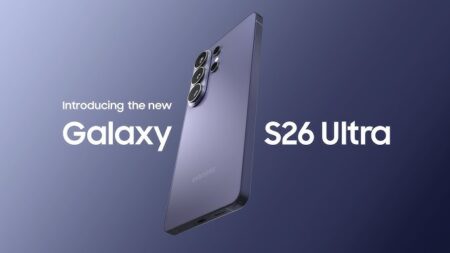
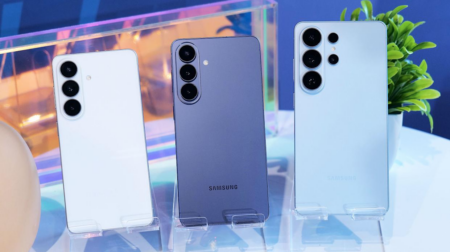
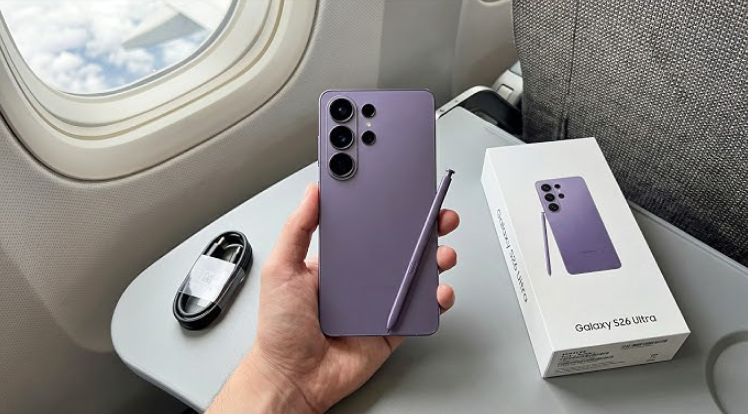
The South Korean tech giant will unveil the Galaxy S26 lineup at its Galaxy Unpacked 2026 event in San Francisco on February 25 under the theme “The Next AI Phone Makes Your Life Easier.” While Samsung has maintained stable base pricing for the Galaxy S23 and S24 series, multiple supply-chain insiders now anticipate an adjustment for the 2026 flagship.
The anticipated increase could reach up to ($68) for the 256GB base model, lifting it from the Galaxy S23’s launch price.
Pricing Pressure and Company Signals
The expected hike is primarily attributed to sharp rises in high-bandwidth memory (HBM) and advanced DRAM prices, driven by massive demand from AI server builders and smartphone makers incorporating more powerful on-device AI capabilities.
Samsung co-CEO Roh Tae-moon alluded to the cost pressure during a January press briefing, stating that escalating memory prices would likely influence product pricing across the company’s portfolio.
One industry official familiar with the supply chain commented: “Stronger chip performance required for AI devices is making a price increase inevitable.”
The source added that Samsung is carefully evaluating consumer price sensitivity and competitor positioning before finalizing the retail figures.
Market Context
Samsung has successfully held flagship prices steady since early 2023 by absorbing cost increases through manufacturing efficiencies and economies of scale. However, memory prices have risen significantly throughout 2025, with HBM contract prices increasing 40–60% year-over-year due to AI data center demand.
The Galaxy S26 series is expected to feature significantly enhanced on-device AI processing, larger neural processing units (NPUs), improved thermal management, and more advanced memory configurations and remember all of which require higher-cost components.
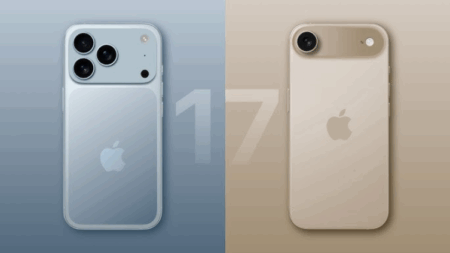
Competitors Apple and Google have also signaled potential price adjustments for their 2026 flagships, though Samsung would be the first major Android manufacturer to publicly move prices upward in three years.
Broader Context
The global smartphone market continues to face headwinds from lengthening replacement cycles and economic uncertainty in key emerging regions. Samsung has defended its premium market share through aggressive trade-in programs, carrier subsidies, and bundled services.
The Galaxy Unpacked event will also feature updates to the Galaxy Watch, Galaxy Buds, Galaxy Ring, foldables, and other ecosystem products, with AI integration expected to be a central narrative across the portfolio.
Challenges
Any upward price adjustment risks alienating cost-sensitive consumers, especially in emerging markets where Chinese brands offer comparable AI features at significantly lower prices.
Balancing the need to deliver meaningful AI differentiation while remaining accessible to the mass premium segment will be a key challenge.
Potential supply constraints on advanced memory could also limit availability of higher-storage configurations at launch.
Conclusion
Samsung’s anticipated price increase for the Galaxy S26 reflects the rising cost structure of building truly AI-capable smartphones in an era of expensive, high-performance memory. While the adjustment may create short-term demand pressure, it also signals the industry’s broader transition toward premium, intelligent devices as the new standard in mobile computing.