





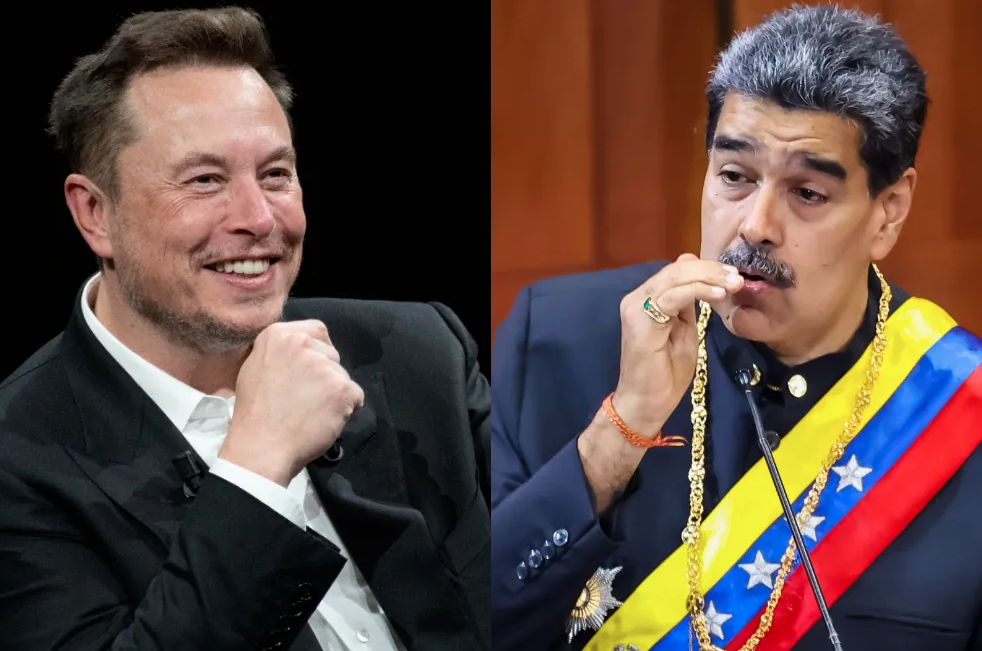
CARACAS – Elon Musk’s Starlink satellite service is offering free internet access in Venezuela until February 3, 2026, in response to political upheaval following U.S. airstrikes and the arrest of President Nicolás Maduro.
The initiative automatically applies service credits to both active and inactive accounts, allowing paused or lapsed subscribers to reactivate without cost. Users with existing hardware can enable a Roam plan for nationwide coverage.
Starlink emphasized its focus on “enabling connectivity” for Venezuelans, monitoring regulatory changes while prioritizing humanitarian support.
Service Extension Details
The free access period runs through February 3, with credits proactively added to accounts. For active customers: No action required—service continues seamlessly. For inactive or paused users: Credits restore access, enabling reactivation during the crisis.
Credits appear in the billing section of user accounts. Owners of Starlink kits can select the Roam plan for flexible use across Venezuela, details available on the company’s site.
Context and Motivation
The offer follows Venezuela’s political crisis, including reported disruptions after the arrest of President Nicolás Maduro on corruption charges and disputed election claims. Traditional internet infrastructure has faced outages amid unrest, leaving millions cut off from information and communication.
Starlink’s satellite network bypasses ground-based systems, delivering direct-to-device broadband via low-Earth orbit constellation. The company has provided similar emergency access in crises like Ukraine (2022) and U.S. hurricanes.
Company Statement
Starlink’s support page: “Our focus is on supporting the people of Venezuela with free service credits.”
Musk posted on X: “Connectivity is crucial in difficult times.”
The service requires a Starlink kit (dish and router), with Roam enabling mobility for existing owners.
Broader Implications
Venezuela’s internet penetration stands at 72%, per 2025 ITU data, but reliability has plummeted during instability. Starlink’s 6,000+ satellites serve 5 million global users, with expansions in sanctioned or remote regions.
Humanitarian activations highlight satellite tech’s role in bypassing censorship or failures.
Challenges
Hardware access cost $499 plus shipping, with smuggling risks in Venezuela. Power outages and economic hardship constrain usage. Regulatory shifts under interim leadership could affect long-term operations.
Broader Trends
- Satellite broadband users hit 10 million in 2025.
- Direct-to-cell tech advances global coverage.
- Humanitarian tech aid rises amid conflicts.