



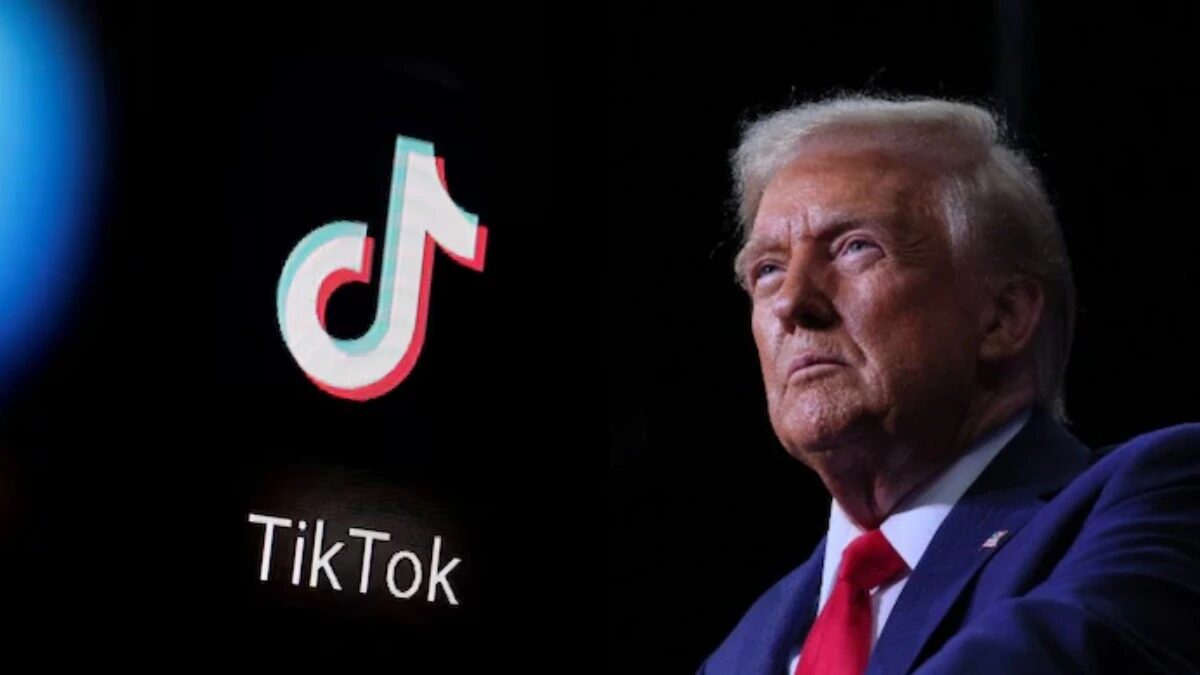
TikTok, the wildly popular short-form video platform, is reportedly developing a separate version of its app specifically for U.S. users, according to a report from The Information. The move comes as political and legal pressures mount for China-based parent company ByteDance to divest TikTok’s U.S. operations.
The new app, which is reportedly slated to launch in U.S. app stores on September 5, is part of a broader strategy to comply with a U.S. government mandate requiring ByteDance to separate from TikTok’s American operations—or face a potential ban.
Trump Administration Eyes September Deadline
The report surfaces just days after President Donald Trump announced that negotiations with China regarding a TikTok deal would begin this week.
The backdrop to this development is the Trump administration’s renewed emphasis on U.S. data security and tech sovereignty. In August, Trump extended a deadline to September 17 for ByteDance to divest TikTok’s U.S. assets or face full enforcement actions—including removal from U.S. app stores.
“The United States will probably have to get a deal approved by China,” Trump added, hinting at the complex diplomatic terrain that lies ahead.
Forced Migration to a New App
According to The Information, TikTok’s plan involves migrating U.S. users to the newly developed app. Users will eventually need to download this version to continue accessing the platform. The existing app is expected to function until March of next year, although that timeline remains subject to change.
If true, this would mark one of the most dramatic tech transitions of the decade, potentially splitting TikTok’s user base between separate apps for the U.S. and international markets.
ByteDance, Beijing, and the Bottleneck
Earlier this year, a deal to spin off TikTok’s U.S. operations into a new, U.S.-controlled entity was nearly finalized. That plan was paused when the Chinese government signaled its disapproval, following President Trump’s announcement of aggressive new tariffs on Chinese imports.
China has been known to tightly regulate outbound tech deals, and its Ministry of Commerce recently imposed export restrictions on algorithms—such as the one that powers TikTok’s “For You” feed—which effectively delayed or derailed ByteDance’s ability to spin off the U.S. unit.
This geopolitical tension leaves TikTok in a precarious position, caught between Washington’s data protection demands and Beijing’s grip on high-tech exports.
Potential Impact on Users and Creators
For TikTok’s massive U.S. user base—estimated at over 150 million monthly active users—this looming transition raises several questions: Will content, followers, and personalized algorithms transfer seamlessly? Will the user experience remain consistent between the two apps?
Content creators, many of whom rely on TikTok as a source of income and brand engagement, may face uncertainty about their content’s visibility or monetization on the new U.S. version of the app.
TikTok and National Security: A Recurring Debate
This development is only the latest chapter in the long-running saga between TikTok and U.S. regulators. The platform has repeatedly faced scrutiny from lawmakers who allege that its ties to China pose national security and data privacy risks—charges that ByteDance has continually denied.
Previous efforts to force a sale or ban TikTok altogether were challenged in U.S. courts and largely stalled under the Biden administration. However, Trump’s recent re-entry into the political conversation has reignited discussions about tech ownership, user data, and foreign influence in American digital life.
What’s Next for TikTok and Tech Regulation?
With only weeks left until the September deadline, ByteDance may be racing against the clock to finalize internal transitions while navigating diplomatic negotiations between the U.S. and China.
If TikTok successfully launches a separate U.S. app, it could become a model—or a cautionary tale—for other foreign-owned tech companies facing regulatory scrutiny in the U.S.
At the same time, a broader debate continues to swirl around how global tech platforms are governed, who controls the flow of data, and what “digital sovereignty” will look like in the age of AI and algorithm-driven content.
Final Thoughts
TikTok’s attempt to reestablish itself with a U.S.-based version of its app could be one of the most ambitious tech pivots in recent history. With millions of users, billions in revenue, and two global superpowers involved, this evolving story will be one to watch closely.
As more information emerges, questions about app continuity, user privacy, content migration, and the future of U.S.-China tech relations will take center stage—not just for TikTok, but for the future of the global internet.