





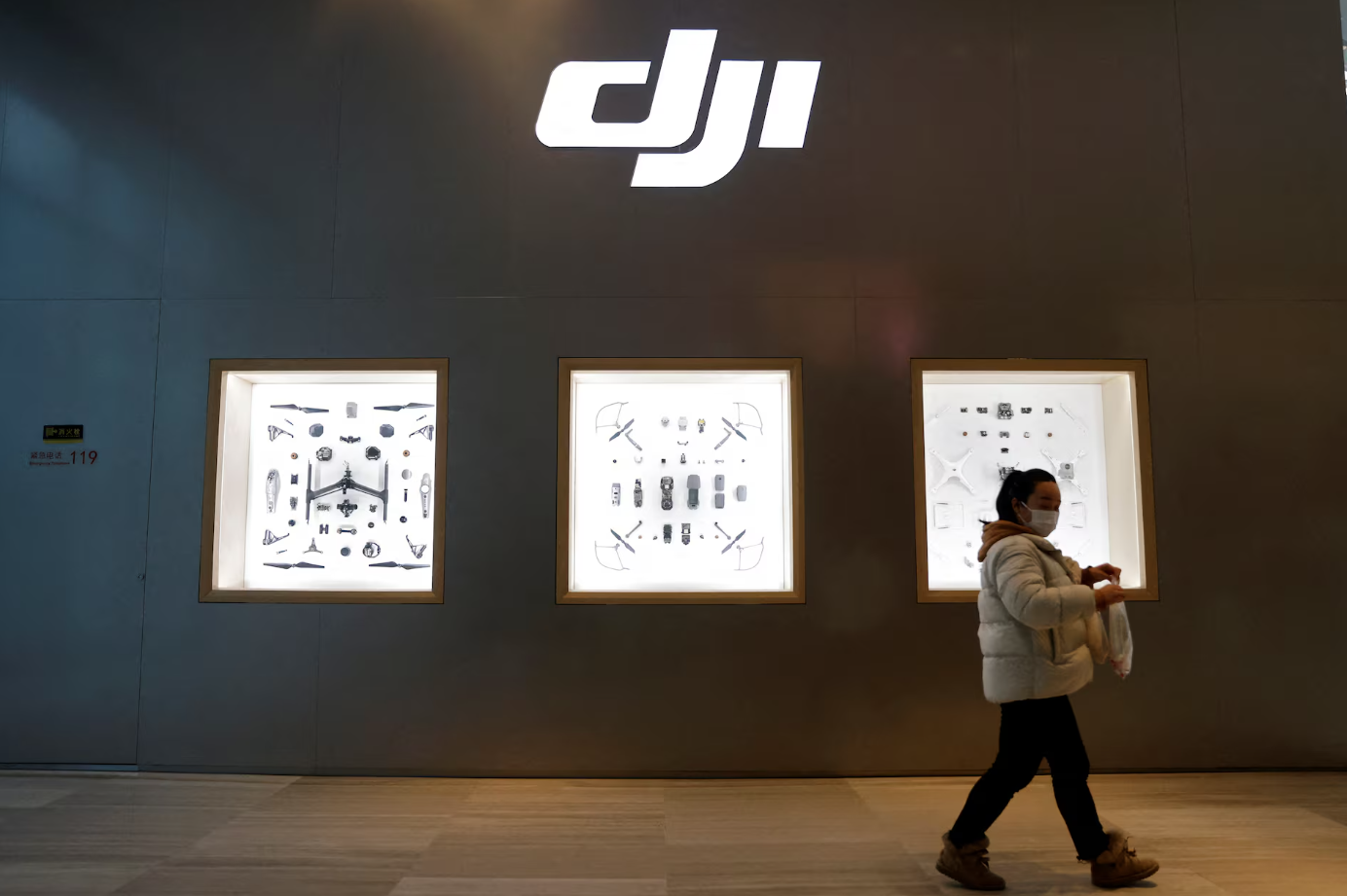
WASHINGTON – The Federal Communications Commission has prohibited the import and sale of new drone models from foreign manufacturers, including market leader DJI, by placing them on a “Covered List” of entities posing national security risks, the agency announced Tuesday.
The rule, effective immediately, targets Chinese firms like DJI and Autel Robotics but spares previously authorized models and those already in use. It caps years of efforts to limit Chinese drones in U.S. airspace, citing concerns over data security and potential espionage.
DJI, holding about 70% of the global market, called the decision disappointing, warning of impacts on consumers, public safety agencies, and industries reliant on its technology.
Rule Details
The FCC added new drone systems and components from covered entities to the list, banning FCC certification required for U.S. sales.
Key aspects:
- Applies only to future models existing approved drones remain available and operable.
- Covers critical equipment like transmitters.
- Provides waiver processes for non-risk drones.
The action stems from the Secure Equipment Act and aligns with Trump’s June 2025 executive order promoting domestic drone production and reducing foreign dependence.
FCC Chair Brendan Carr: “This secures our airspace while unleashing American drone dominance without disrupting current users.”
Company Response
DJI expressed regret: “The ban harms U.S. users in public safety, agriculture, and infrastructure who depend on our safe, reliable products.”
The company emphasized its data security measures and compliance with U.S. laws. Autel Robotics did not immediately comment.
Broader Context
- Chinese drones dominate U.S. skies: DJI alone equips many police, fire departments, and hobbyists.
- Concerns escalated since 2017 over potential data transmission to China, though DJI denies backdoors.
- The ban follows restrictions on federal agency use and state-level prohibitions.
Challenges
- Existing users unaffected, but future upgrades limited.
- Domestic alternatives like Skydio lag in affordability and features.
- Domestic alternatives like Skydio lag in affordability and features.
- Potential WTO complaints from China.
Outlook
- Waiver applications begin Q1 2026.
- Domestic firms eye market share gains.
- Congress may codify broader bans.
- The rule intensifies U.S.-China tech decoupling in consumer and commercial drones.
Conclusion
The FCC’s ban on new Chinese drone models advances national security goals but risks short-term disruptions for millions of U.S. users reliant on affordable, advanced technology from DJI and peers.