




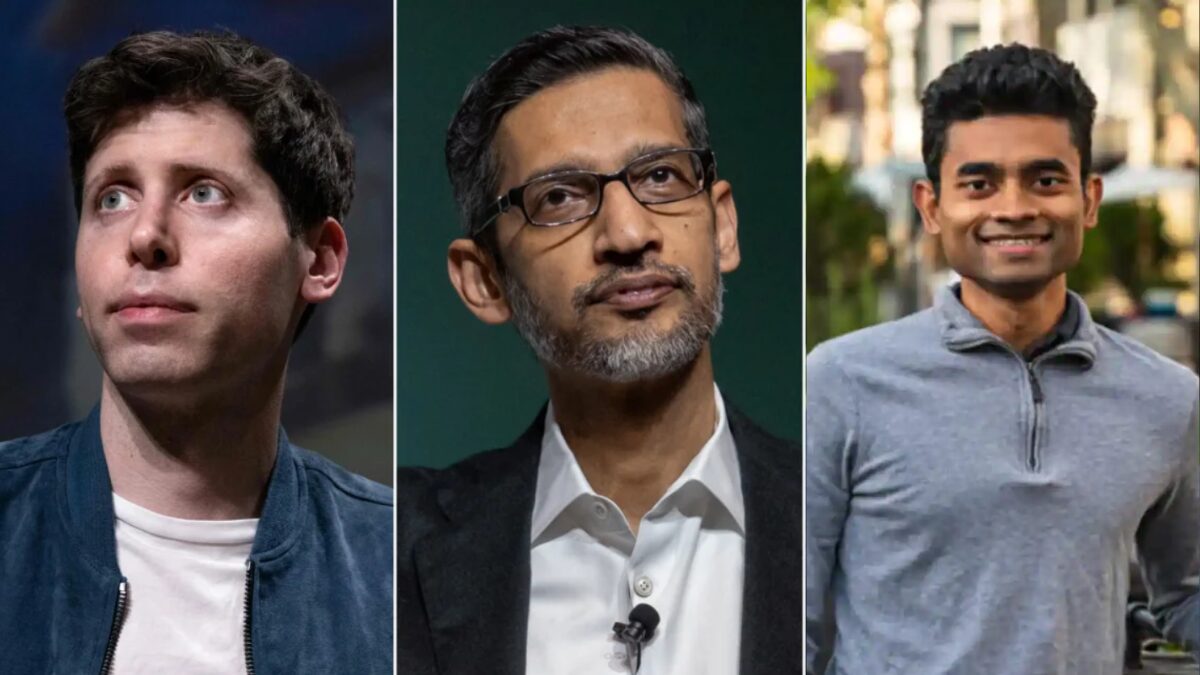
In a dramatic turn of events shaking up the tech industry, Google has secured a $2.4 billion deal to hire Windsurf CEO Varun Mohan, co-founder Douglas Chen, and key researchers, effectively derailing OpenAI’s $3 billion acquisition attempt.
This strategic move, announced on July 11, 2025, underscores Google’s commitment to advancing innovative technology in AI-powered coding, particularly through its DeepMind division.
As tech giants vie for dominance in the rapidly evolving artificial intelligence landscape, this “reverse-acquihire” highlights the fierce competition for top talent and cutting-edge technology. TechGenez.com brings you the latest tech news, diving into what this means for Google, Windsurf, and the broader tech industry.
Google’s Strategic Play in the AI Talent War
A $2.4 Billion Investment in Innovative Technology
Google’s agreement with Windsurf, a rising star in AI coding, involves hiring its top leadership and securing a non-exclusive license to its proprietary technology for $2.4 billion. Unlike a traditional acquisition, Google will not take a stake in Windsurf or exert control over the company, allowing the startup to remain independent and license its technology to others.
This deal, described as a “reverse-acquihire,” enables Google to bolster its DeepMind team with top AI coding talent without triggering regulatory scrutiny, a tactic previously employed by Google with Character.AI and by Microsoft with Inflection AI.
“We’re excited to welcome some top AI coding talent from Windsurf’s team to Google DeepMind to advance our work in agentic coding,” said Google spokesperson Chris Pappas. The new hires, including Mohan and Chen, will focus on enhancing Google’s Gemini platform, a key player in the race for AI-driven software development tools.
Why Windsurf’s Talent Matters
Windsurf, founded in 2021 as Exafunction Inc., has emerged as a leader in AI coding, with its annual recurring revenue (ARR) soaring to $100 million by April 2025, up from $40 million just months earlier. The startup’s technology, which powers “vibe coding” (using AI to write code from natural language prompts), has attracted significant attention from industry giants.
Varun Mohan, a systems-savvy technologist with a background from MIT and companies like Nuro and Databricks, pioneered the agentic IDE concept, blending large language models with advanced workflows like Cascade. This expertise makes him and his team critical assets for Google’s ambitions in agentic coding, where AI acts as an autonomous companion rather than a mere autocomplete tool.
The Collapse of OpenAI’s $3 Billion Bid
Tensions with Microsoft Derail the Deal
OpenAI’s $3 billion acquisition of Windsurf, reported as one of the largest potential deals in the AI sector, fell apart due to tensions with its largest backer, Microsoft. According to reports, Microsoft’s existing agreement with OpenAI grants it access to all of OpenAI’s intellectual property, including any acquired assets.
Windsurf’s leadership, wary of sharing their proprietary AI coding technology with Microsoft—maker of the competing Copilot product—resisted the deal. When Microsoft refused to grant an exception, the exclusivity period on OpenAI’s offer expired, opening the door for Google’s swift intervention.
This collapse represents a significant setback for OpenAI, which has faced talent raids from rivals like Meta and now Google. The loss of Windsurf’s technology and leadership could hinder OpenAI’s efforts to expand its AI coding offerings, such as Codex, which competes with Anthropic’s Claude Code and Google’s Gemini.
Windsurf’s Uncertain Future
With Mohan and Chen departing, Windsurf has appointed Jeff Wang, its head of business, as interim CEO and Graham Moreno as president. Wang emphasized that most of Windsurf’s 250-person team will remain, continuing to develop its AI coding tools for enterprise customers.
However, history suggests challenges ahead. Other AI startups, such as Scale AI and Inflection, struggled to maintain momentum after losing key leaders to tech giants. Scale AI lost customers following its deal with Meta, while Inflection pivoted away from consumer AI after its Microsoft agreement. Windsurf’s ability to sustain its $100 million ARR and continue innovating will depend on its remaining team’s resilience.
The Broader Impact on the Tech Industry
AI Coding: The Next Frontier
The race for innovative technology in AI coding is intensifying as companies recognize its potential to transform software development. AI coding tools like Windsurf’s platform, Anthropic’s Claude Code, and OpenAI’s Codex enable developers and non-developers alike to write code using natural language, streamlining workflows and boosting productivity.
According to a 2025 IDC report, 75% of enterprises are expected to adopt AI-driven coding solutions by 2027, highlighting the growing demand for such tools. Google’s acquisition of Windsurf’s talent positions it to strengthen its Gemini platform, potentially outpacing competitors in delivering next-generation coding agents.
The Rise of Reverse-Acquihires
Google’s deal with Windsurf exemplifies a growing trend in the tech industry: reverse-acquihires, or “hackquisitions,” where companies hire key talent and license technology without acquiring the startup outright. This strategy allows tech giants to sidestep antitrust concerns while securing critical expertise.
Microsoft’s hiring of Inflection AI founders, Amazon’s recruitment of Adept AI executives, and Meta’s 49% stake in Scale AI reflect similar moves. As regulatory scrutiny of tech acquisitions intensifies, such deals are becoming a preferred method to access innovative technology and talent.
What This Means for Developers
For software developers, Google’s bolstered DeepMind team could lead to more advanced AI coding tools, enhancing productivity and enabling new applications. “The addition of Windsurf’s expertise will accelerate Google’s efforts to make Gemini a game-changer for developers,” said Jane Smith, CTO at InnovateTech, a fictional industry expert. “If you’re a developer, these advancements could redefine how you approach coding, from routine tasks to complex system design.” By integrating Windsurf’s agentic coding innovations, Google aims to create tools that act as intelligent partners, allowing engineers to focus on higher-level problem-solving.
Challenges and Opportunities for Windsurf
Navigating Leadership Changes
Windsurf’s transition to new leadership under Jeff Wang presents both challenges and opportunities. The company’s $200 million in venture capital from investors like Kleiner Perkins and Greenoaks Capital Partners provides a strong foundation to continue its mission.
However, retaining enterprise customers and sustaining growth without its founding visionaries will be critical. “Windsurf’s world-class team remains committed to maximizing our impact in the enterprise,” Wang stated, signaling confidence in the company’s future.
Licensing Opportunities
Windsurf’s non-exclusive licensing agreement with Google allows it to continue offering its technology to other companies, potentially diversifying its revenue streams. This flexibility could attract new partners seeking AI coding solutions, especially as demand for such tools grows. For instance, industries like finance and healthcare, undergoing rapid digital transformation, could benefit from Windsurf’s platform, positioning the startup to capitalize on emerging tech markets.
Google’s AI Ambitions and the Competitive Landscape
Strengthening DeepMind’s Capabilities
Google’s DeepMind division, led by Demis Hassabis, is at the forefront of AI innovation. The addition of Mohan, Chen, and Windsurf’s researchers enhances DeepMind’s ability to compete in the AI-powered software development market. Hassabis expressed enthusiasm on social media, stating, “Thrilled to welcome @windsurf_ai founders @_mohansolo & Douglas Chen to @GoogleDeepMind. Excited to turbocharge our Gemini efforts on coding agents.” This move strengthens Google’s position against rivals like Anthropic and OpenAI, which are also investing heavily in AI coding applications.
The AI Talent War Heats Up
The hiring of Windsurf’s leadership is part of a broader AI talent war, with tech giants offering compensation packages as high as $100 million to secure top engineers. Meta, Microsoft, and Amazon have similarly poached talent from startups, reflecting the high stakes of AI innovation.
As companies race to dominate emerging tech, the ability to attract and retain talent will be a key differentiator. Google’s $2.4 billion investment signals its determination to lead in AI coding, a critical component of the tech industry’s future.
Conclusion
Google’s $2.4 billion deal to hire Windsurf’s CEO Varun Mohan and key researchers marks a pivotal moment in the tech industry’s AI talent race. By securing top talent and a non-exclusive license to Windsurf’s innovative technology, Google is poised to enhance its Gemini platform and strengthen its position in AI-powered coding.
Meanwhile, Windsurf faces an uncertain future, tasked with maintaining momentum under new leadership. This development underscores the dynamic nature of the tech industry, where strategic moves and talent acquisitions shape the future of digital innovation. Stay updated with the latest tech news and insights at TechGenez.com, your go-to source for the evolving world of technology.