




WASHINGTON, July 16, 2025 – The United States is taking significant steps to bolster national security by proposing a ban on Chinese technology in undersea telecommunications cables, critical infrastructure that carries over 95% of global internet traffic.
The Federal Communications Commission (FCC) is reportedly drafting regulations to prohibit the use of Chinese-made equipment or services in these cables, citing concerns over potential espionage and data breaches by foreign entities. This move, part of a broader US strategy to counter Chinese technological influence, has sparked debates about its implications for global connectivity, economic costs, and international relations.
Background and Strategic Importance
Undersea telecommunications cables form the backbone of global internet connectivity, transmitting vast amounts of data across continents. These fiber-optic cables, spanning thousands of miles across ocean floors, are essential for international communications, financial transactions, and cloud computing services. The US, a key player in global telecommunications, hosts landing points for numerous cables and relies on their security to protect sensitive data.
Recent posts on X and news reports indicate that the US government, through the FCC, is preparing to implement a ban on Chinese technology in these cables, driven by fears that equipment from companies like Huawei could be used for espionage or cyberattacks. This initiative aligns with previous US efforts to restrict Chinese tech firms, such as Huawei and ZTE, from domestic 5G networks and other critical infrastructure. The proposed ban reflects growing concerns about China’s influence in global technology supply chains and its potential to exploit vulnerabilities in undersea cables.
Key Details of the Proposed Ban
The FCC’s proposed regulations, expected to be finalized in 2025, aim to prohibit the use of Chinese-manufactured equipment, software, or services in undersea cables connected to US networks. This includes both new cable installations and maintenance of existing ones. The ban would apply to companies operating cable landing stations in the US and those seeking FCC licenses for new projects. According to reports, the policy is motivated by national security concerns, particularly the risk of Chinese firms embedding backdoors or surveillance capabilities in cable infrastructure.
The US government has identified undersea cables as critical infrastructure, given their role in transmitting sensitive government, military, and commercial data. A 2025 Financial Times report highlighted that the Biden administration, continued under the current administration, views Chinese involvement in cable projects as a “significant threat” due to the potential for data interception. The ban would extend to Chinese firms providing maintenance services, such as cable repair ships, which could access sensitive infrastructure during operations.
National Security Concerns
The push to ban Chinese technology stems from longstanding US-China tensions over cybersecurity. US officials have repeatedly accused Chinese tech firms of posing risks to national security, citing their alleged ties to the Chinese government. Undersea cables, which are often privately owned but connect to public networks, are seen as vulnerable points where data could be intercepted or manipulated. For example, a compromised cable could allow unauthorized access to diplomatic communications, financial transactions, or personal data.
Recent incidents, such as alleged Chinese cyberattacks on US infrastructure and reports of cable tampering in other regions, have heightened these concerns. A 2025 Reuters report noted that the US is particularly wary of Chinese firms’ dominance in cable manufacturing and maintenance, as companies like Huawei Marine (now HMN Tech) have been involved in numerous global cable projects. The FCC’s proposed ban aims to mitigate these risks by ensuring that only trusted vendors, primarily from the US or allied nations, supply equipment for cables landing in the US.
Economic and Global Implications
The proposed ban could have significant economic and logistical impacts. Undersea cable projects are costly, often exceeding $1 billion per cable, and rely on a global supply chain. Excluding Chinese vendors, who offer competitive pricing, could increase costs for cable operators and potentially delay projects. Posts on X, including one from @TheOptionsPlug, suggest that the ban may affect Chinese tech stocks like Alibaba and Baidu, reflecting market concerns about the broader US-China tech rivalry.
Globally, the ban could disrupt international collaboration on cable projects. Many undersea cables are consortium efforts involving multiple countries and companies. Excluding Chinese firms could complicate partnerships, particularly in Asia, where Chinese companies have significant influence. For instance, HMN Tech has been involved in projects connecting Asia, Europe, and Africa, and a US ban could force consortiums to seek alternative suppliers, potentially from Japan or Europe.
The ban also raises questions about reciprocity. China could respond by restricting US or allied companies from participating in its cable projects, further fragmenting the global telecom landscape. This could lead to a bifurcated internet, with separate US-led and China-led networks, impacting global connectivity and data flows.
Industry and Expert Reactions
Industry reactions to the proposed ban are mixed. Some US-based telecom companies support the move, arguing that it enhances security and levels the playing field for domestic vendors. Others, however, warn of supply chain disruptions and increased costs. A 2025 report from The Straits Times noted that the ban could strain relationships with international partners who rely on Chinese equipment for cost efficiency.
Experts are divided on the ban’s effectiveness. Cybersecurity analysts argue that excluding Chinese technology is a necessary step to protect critical infrastructure, given the opaque nature of Chinese firms’ operations. However, others contend that the focus on hardware bans overlooks software vulnerabilities and insider threats, which are harder to regulate. A telecommunications expert quoted in a USA Today article suggested that the ban might be “more symbolic than practical,” as rerouting supply chains could take years and may not fully eliminate risks.
Potential Challenges and Controversies
The proposed ban has sparked debates about its feasibility and broader implications. Critics argue that it could exacerbate US-China tensions, potentially leading to retaliatory measures. For example, China could impose restrictions on US tech firms operating in its market or limit access to rare earth minerals critical for cable manufacturing. Posts on X, such as one from @ShipNews, highlight the ban’s focus on cybersecurity but also note concerns about its impact on global trade.
Another challenge is enforcement. Undersea cables span international waters, and regulating foreign segments is complex. The FCC’s jurisdiction is limited to US landing points, meaning that cables connecting to other countries could still use Chinese technology outside US waters. This raises questions about the ban’s effectiveness in securing end-to-end data flows.
Environmental considerations also come into play. Cable manufacturing and laying have environmental impacts, and shifting suppliers could disrupt sustainable practices established by some Chinese firms. Critics argue that the US should prioritize international cooperation on cable security standards rather than unilateral bans.
Future Outlook
The FCC’s proposed ban is part of a broader US strategy to secure critical infrastructure and reduce reliance on Chinese technology. If implemented, it could set a precedent for other countries, particularly US allies, to adopt similar restrictions. The European Union and Japan, for instance, have expressed interest in strengthening their own cable security protocols, according to a 2025 Reuters report.
Looking ahead, the ban could accelerate innovation in US and allied telecom industries, as companies invest in alternative technologies to fill the gap left by Chinese vendors. However, it may also drive up costs for consumers, as telecom operators pass on expenses from pricier equipment. The success of the ban will depend on the FCC’s ability to enforce it effectively and collaborate with international partners to ensure consistent security standards.
The US-China tech rivalry is unlikely to abate, and undersea cables are just one battleground. As global demand for data grows, securing these critical arteries will remain a priority. The FCC’s regulations, expected to roll out in late 2025, will be closely watched by industry stakeholders, policymakers, and international partners.
Broader Context: US-China Tech Rivalry
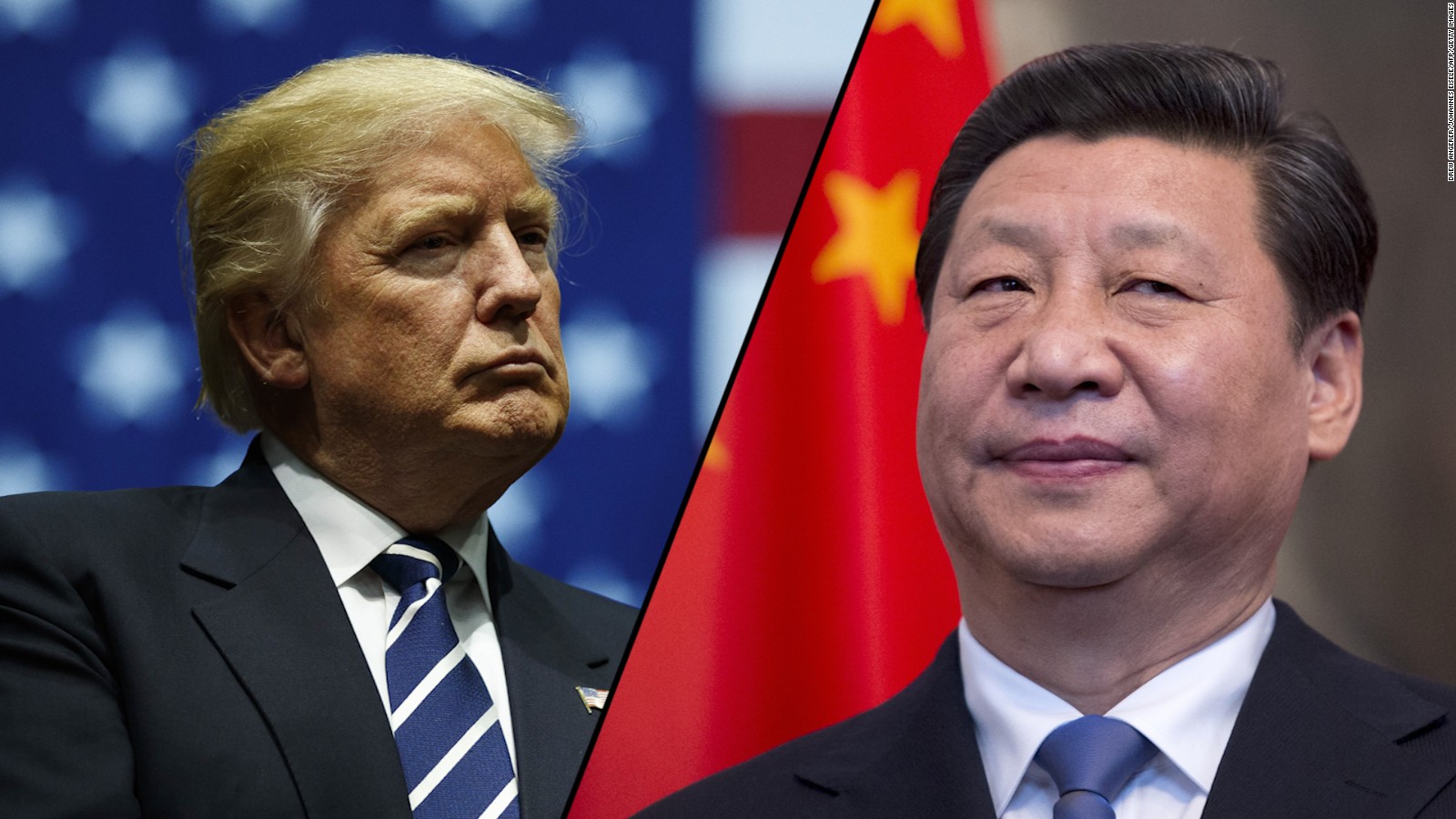
The proposed ban aligns with other US efforts to curb Chinese technological influence. Since 2019, the US has restricted Huawei and other Chinese firms from its 5G networks, citing similar security concerns. The 2025 ban on undersea cable technology builds on these efforts, reflecting a broader strategy to decouple US infrastructure from Chinese supply chains. Posts on X, including those from @STForeignDesk and @tenet_research, indicate that this move is seen as part of a larger push to counter China’s growing technological dominance.
The timing of the ban coincides with other geopolitical developments. For instance, the US is also investing heavily in AI and energy infrastructure, as seen in recent announcements about Pennsylvania’s $90 billion investment package. These efforts suggest a concerted push to strengthen domestic technological capabilities while limiting foreign vulnerabilities.
Conclusion
The US’s move to ban Chinese technology in undersea telecommunications cables marks a significant escalation in its efforts to secure critical infrastructure. While driven by legitimate national security concerns, the ban poses challenges in terms of cost, international cooperation, and enforcement. As the FCC finalizes its regulations, the world will be watching to see how this policy reshapes global connectivity and the US-China tech rivalry. Balancing security with economic and diplomatic considerations will be key to ensuring the ban achieves its intended goals without unintended consequences.